For a long time, fibromyalgia had been dismissed as apsychological disorder. We now have a large body of research showing that this isa real disorder and that it can be very disabling. The Centers for DiseaseControl (CDC) characterizes fibromyalgia as a condition of widespreadmusculoskeletal pain accompanied by fatigue, sleep, memory, and mood problems.
A recent article in Nature Medicine describes a studywhere researchers scanned the genetic profiles of 2.5 million people. They lookedfor a connection between genes associated with fibromyalgia and otherconditions. There were almost 55,000 individuals with fibromyalgia in a sampleof over 2.5 million people.
The genetic profile of patients with fibromyalgia had anoverlap with genes that predispose to chronic pain, low back pain, migraine, irritablebowel syndrome (IBS), hypermobility syndromes (like Ehlers-Danlos), post-traumaticstress disorder (PTSD), sleep, and other psychiatric disorders.
A strong correlation with other pain conditions indicatesthat fibromyalgia and other pain conditions are disorders of the centralnervous system. I often see patients who suffer from migraines, as well as oneor several other pain problems. These patients typically consult a specialistfor each condition – a gastroenterologist for IBS, an orthopedist for backpain, and a rheumatologist for muscle pains. These specialists often fail toprovide effective relief. I explain to patients that they have a single problem:that of a hyperexcitable nervous system. Treating each condition individually rarelybrings lasting relief. Even if one of them improves, other pain problems persistor worsen. A large proportion of patients with chronic pain of any type havebeen found to have PTSD. This means that they are in a state of fight-or-flightresponse, or hyperarousal. Treating PTSD and calming the brain is aprerequisite to finding relief.
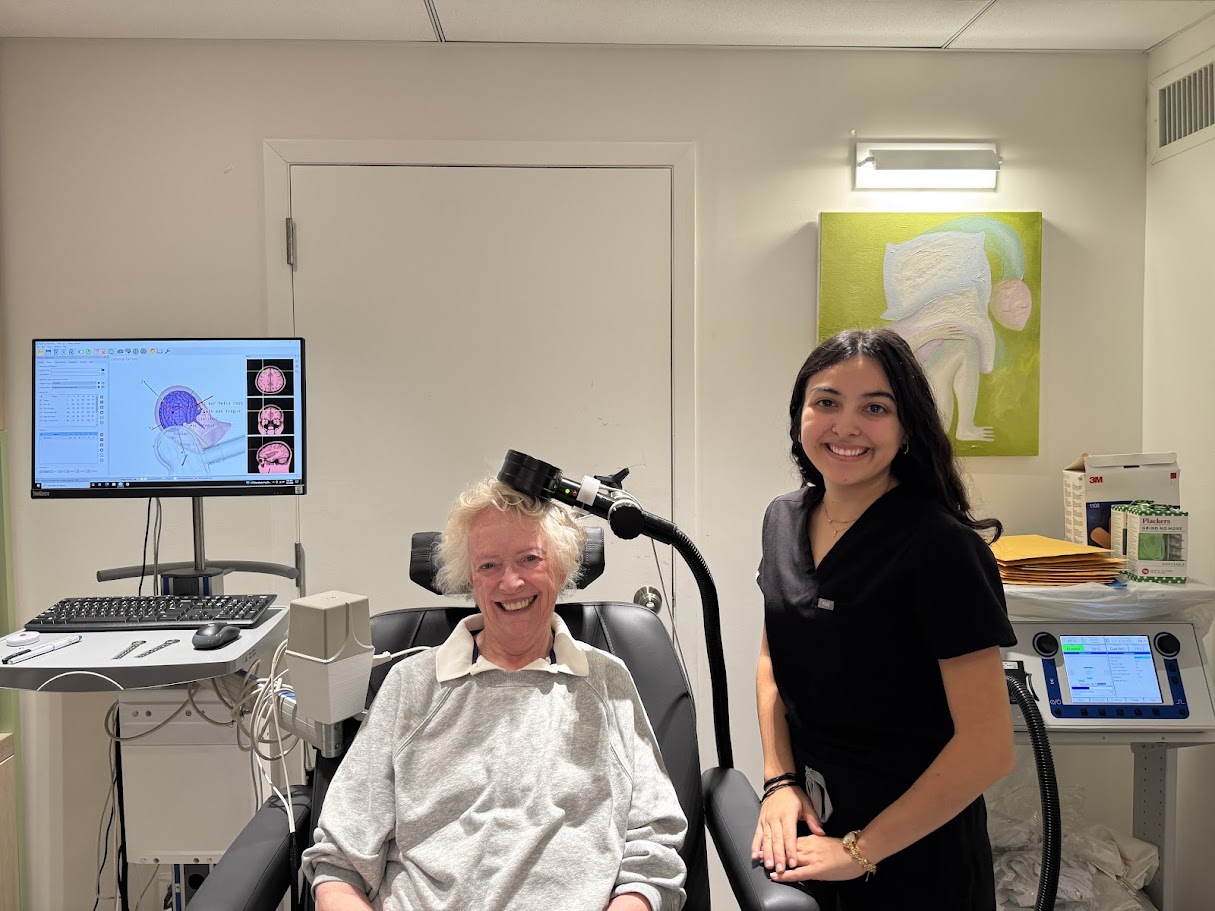
This is why psychological approaches are an integral partof a multidisciplinary approach. These may include eye movement desensitizationand reprocessing (EMDR), cognitive-behavioral therapy (CBT),acceptance-commitment therapy (ACT), pain reprocessing therapy (PRT),biofeedback, and others. Psychological treatments are rarely enough on theirown, although for some they can be dramatically effective. Many people also needvarious medications, Botox injections, nerve blocks, acupuncture, and stimulationdevices such as TENS, vagus nerve stimulation, transcranial magneticstimulation, and others.
The importance of this study is that it finds that most chronicpain conditions, as well as PTSD, sleep, and psychiatric problems, are connectedthrough a common set of genetic factors. It also indicates that these are not purelypsychological disorders but are biological and can be effectively treated.