


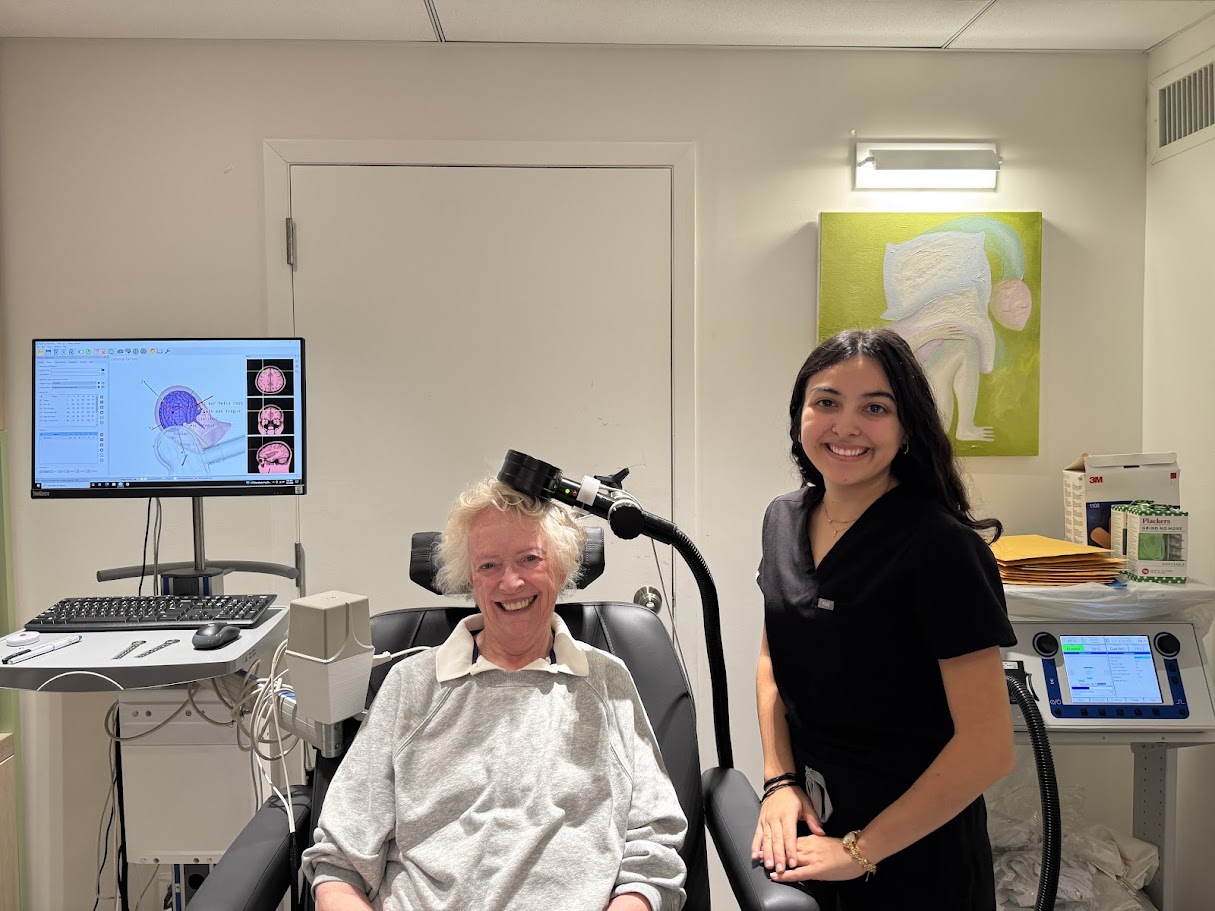
A New Study of Transcranial Magnetic Stimulation for the Treatmentof PTSD.
Post-traumatic stress disorder (PTSD) is common in veterans.Symptoms include intrusive thoughts and memories, avoidance of reminders of thetrauma, hyperarousal, and changes in mood and thinking. This disabling disorderoften occurs together with other medical and psychiatric conditions, substanceabuse, and an increased risk of suicide.
A review published in Brain Stimulation earlier this yearexamined repetitive transcranial magnetic stimulation (rTMS) for PTSD in 756veterans. Researchers compared several protocols: standard high-frequencystimulation, intermittent theta burst stimulation, and deep rTMS. All wereassociated with significant reductions in PTSD symptoms, with similar effectson depression. Response rates ranged from 63% to 78%, and remission rates from47% to 49%. However, this was an observational study, not a controlled trial.rTMS is not FDA-cleared for PTSD, so its use for this condition is off-label.Controlled trials have shown less impressive results and suggest that thebenefits may not last.
The FDA cleared rTMS for depression in 2008, and depressionremains its most studied use. Even so, there is no consensus on the bestprotocol. Questions remain about the type of stimulation, where to apply it,and how often to treat. This latest study in veterans suggests that differenttypes of stimulation may offer similar benefits. Treatment schedules may alsobe more flexible than originally thought. The original depression protocolcalls for sessions five days a week for six weeks. More recent data suggestthat accelerated protocols can be as effective. Severely depressed hospitalizedpatients can respond within a few days to 10 short sessions a day. In onestudy, the average time to discharge was 3.5 days. We’ve been treating patientswith severe migraines and post-concussion syndrome, also off-label indications,on schedules ranging from once a week to five times a day.
At the New York Headache Center, as at most headacheclinics, we see many patients who have not responded to numerous medicationsand non-drug treatments. We never give up and continue trying new approaches(see my book, The End of Migraines: 150 Ways to Stop Your Pain). When pain andother symptoms do not budge despite these efforts, we also consider whetherPTSD may be a contributing factor. PTSD can leave a person in a persistentstate of fight-or-flight or hypervigilance. The trauma may have occurred inchildhood, but its effects can last for decades. Treating PTSD can help improvemigraines and other pain conditions that may coexist, including irritable bowelsyndrome, back pain, and interstitial cystitis.
rTMS may help patients with migraines and post-concussionsyndrome through both its direct effects on pain and associated symptoms andits effects on PTSD when it is present. It is a well-tolerated, noninvasivetreatment with established benefits for depression. Using functional MRI (fMRI)to guide treatment seems to improve results in our patients, although thisapproach has also been studied only in depression.




