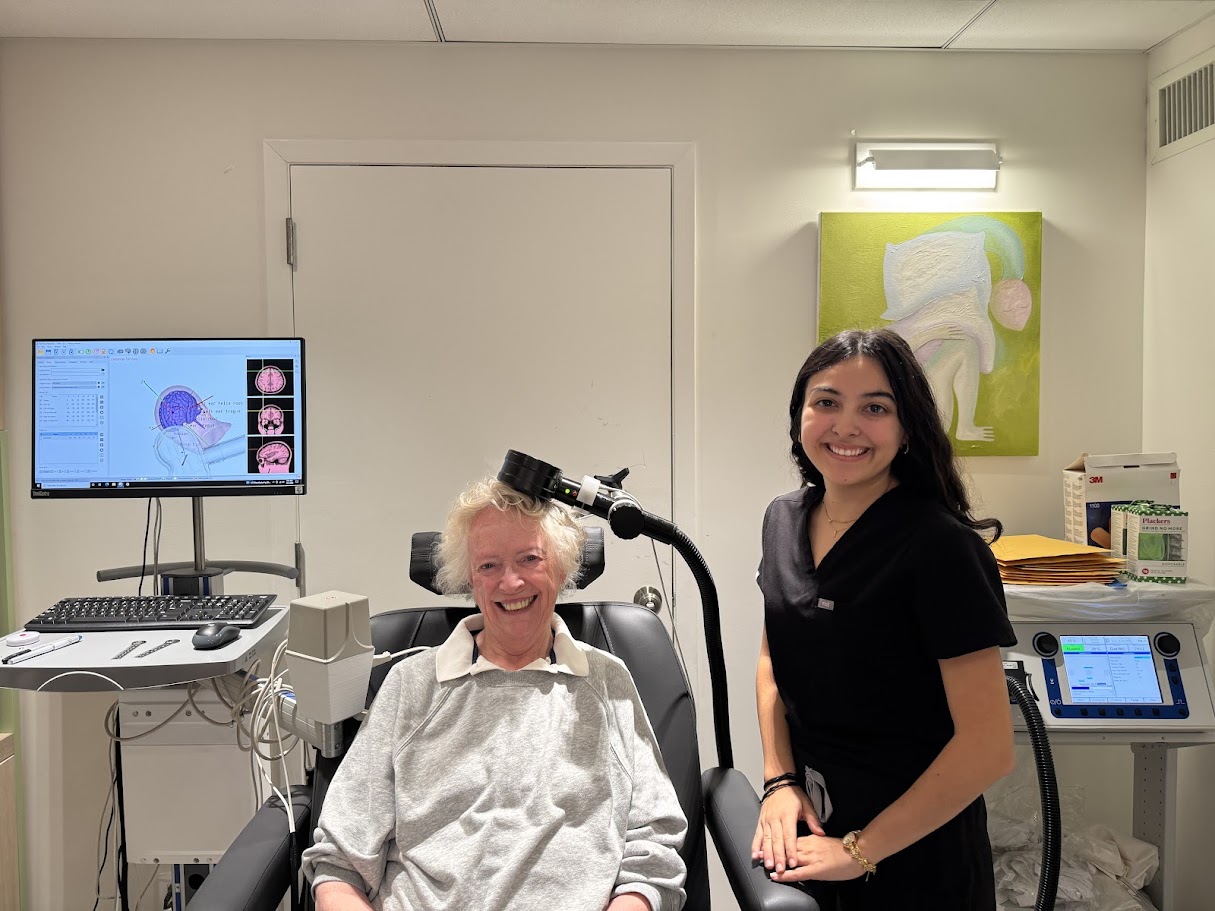
A new randomized trial by Norwegian doctors published in Cephalalgia shows that app-based, self-administered biofeedback can reduce migraine attacks.
When I opened the New York Headache Center, almost 40years ago, we did not have any triptans, CGRP drugs, or Botox. Having a very limited drug arsenal, I became a certified acupuncturist and bought a (bulky)biofeedback computer. My first book, published in 1997, was The Headache Alternative: A Neurologist’s Guide to Drug-Free Relief.
Over 100 scientific papers have been published on biofeedback as a treatment for migraines and headaches. The American Headache Society currently grades biofeedback, relaxation, and cognitive-behavioral therapy as having Grade A evidence for migraine prevention. Biofeedback is especially appealing to people who prefer to avoid medications, to pregnant women, and to children.
Biofeedback teaches you to relax and stay relaxed under pressure. Sensors measure body signals such as skin temperature, muscle tension, or heart rate and display them in real time, so you can see how your breathing, thoughts, and posture affect your body. Traditionally, this requires weekly 45-minute sessions with a trained therapist, which many patients find hard to fit into their schedules and budgets. Originally, a nurse in our clinic taught patients biofeedback; later, a psychologist taught it for years. We stopped offering this service in our office several years ago, mostly due to poor insurance coverage.
The Norwegian study suggests an easier way to access this effective therapy. They used an app-based method to teach biofeedback and compared 140 patients who received this training with 139 who were on a waiting list. The active group practiced biofeedback training for 10 minutes every day for 12 weeks. The system offered three biofeedback modalities: heart rate variability (HRV), skin temperature, and trapezius muscle tension.
Those who used the app had about one fewer migraine dayper month than those on the waiting list, along with better quality of life.People who practiced most consistently improved the most.
While the specific device used in the Norwegian trial isnot yet widely available, similar app-based systems that focus on heart-ratevariability are now reaching clinics.
One such device comes from MEO Health, a Canadian start-up. MEO's system is simpler: it uses heart rate variability alone, and ithas not yet been tested in a migraine trial. But it relies on the same principle of daily, self-guided practice with real-time feedback. A small sensor worn on your arm during sessions measures HRV, a marker of how well your nervous system adapts to stress. People with migraine tend to have lower HRV. Smartwatches and other wearables check HRV only intermittently, but the MEO sensor updates every few seconds, so you get immediate feedback as you breathe.
The app guides you through slow breathing. You inhale asa sphere expands over 4 seconds and exhale as it contracts over 6. Breathing atthis pace increases HRV. We recommend 5-10 minutes of practice twice a day.Most people need 8 to 12 weeks before noticing improvement.
Insurance usually does not cover the device. The company does not sell its product directly to consumers, but only through doctors’ offices. We purchase the devices from MEO Health and sell them through our practice at a markup that helps cover staff time. We have no other financial relationship with the company. The cost is significantly less than 10 weekly sessions with a nurse or psychologist. Buying the device is optional. Progressive muscle relaxation, slow breathing, and meditation, practiced consistently, can also help without any equipment.