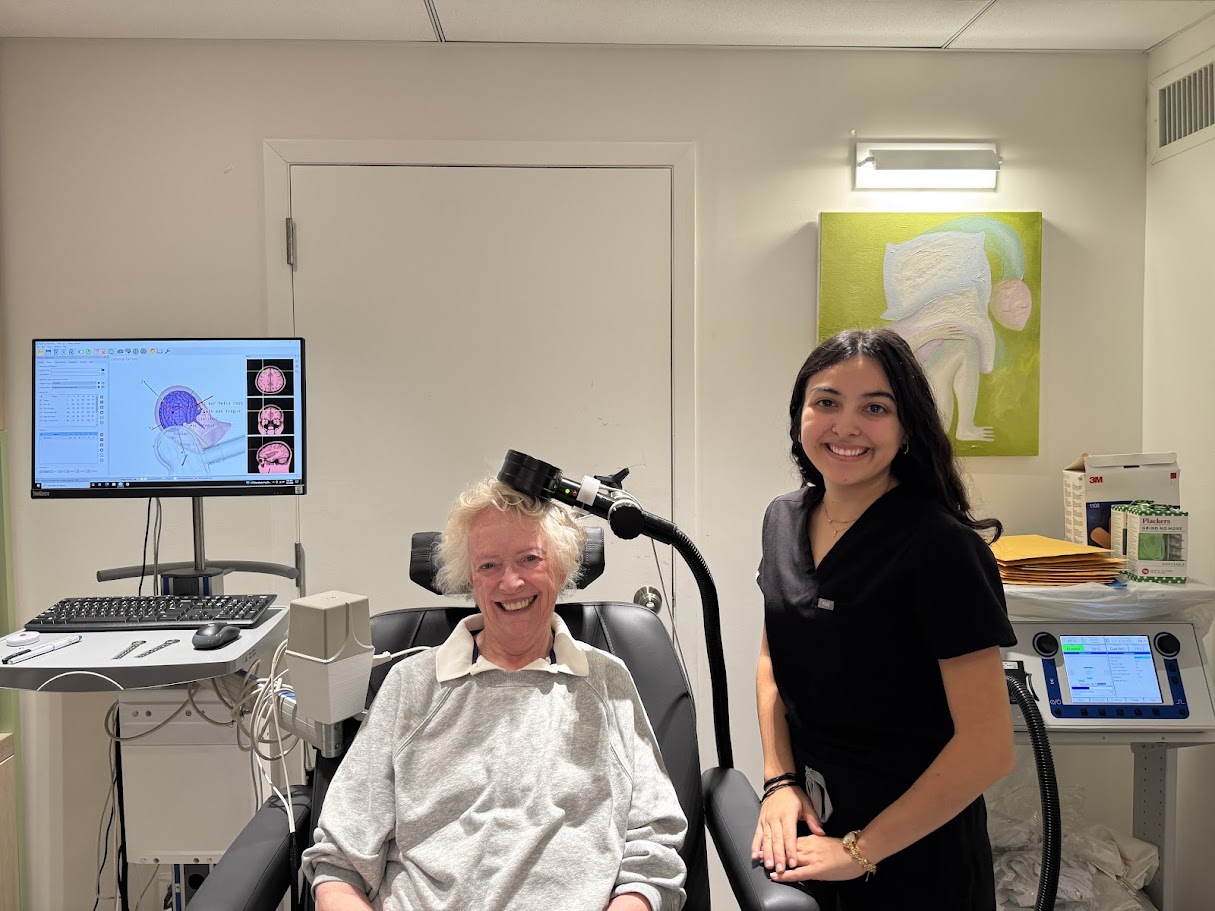
I’ve previously written about the benefits of meditation and how it has helped alleviate my migraines. I recommend it to all of my patients.
The study used EEG and fMRI to compare 24 migraine patients with 26 healthy controls. The subjects were evaluated for migraine-related disability using the MIDAS score, cognitive functioning, anxiety, and depression.
The researchers found that the decrease of functional connectivity within the default mode network (DMN) and between DMN and executive control network (ECN) in migraine patients was negatively correlated with MIDAS score.
They also found differences in various other functional networks, but the difference in DMN connectivity caught my attention because of its association with meditation. Studies using fMRI have shown that engaging in meditation leads to a decrease in DMN activity and an increase in the activation of brain regions responsible for cognitive and emotional regulation.
Altered connectivity in the DMN has been associated with a range of neuropsychiatric conditions such as depression, anxiety, post-traumatic stress disorder, attention deficit hyperactive disorder, and obsessive-compulsive disorder. Psychedelics are also thought to produce their effect, at least in part, by acting on the DMN.