Frovatriptan (Frova) helps menstrual migraines

January 2, 2013

Migraine headaches that occur at around the time of menstrual period tend to be more severe and more difficult to treat. Analysis of studies that involved 187 women with menstrual migraines who treated at least one of their attacks with frovatriptan (Frova) and one with another triptan showed that frovatriptan was more effective. While all triptans were equally effective in providing pain relief at 2 and 4 hours, rate of headache recurrence was significantly lower for frovatriptan. After 24 hours, 11% of women who took frovatriptan had a recurrence of their headache, but with other triptans 24% had their migraine come back. After 48 hours, the numbers were 15% for frovatriptan and 26% for other triptans. One caveat is that all of these studies were funded by the maker of frovatriptan.


Written by
Alexander Mauskop, MD
Continue reading
May 21, 2026
Research
Your Brain Has Many Pathways, And TMS Can Now Use Them
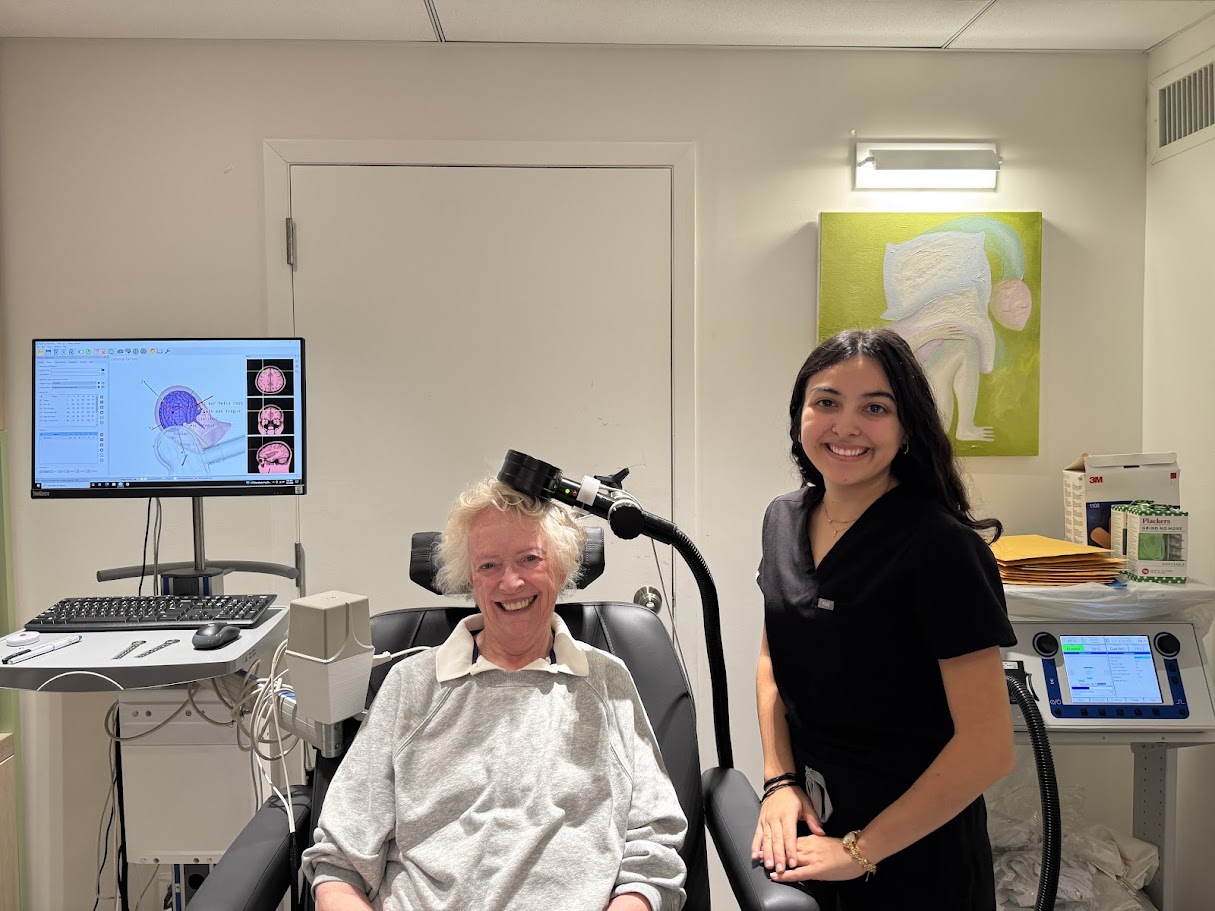
A groundbreaking University of Iowa study shows that personalized fMRI-guided TMS can now reach and modulate the deep hippocampus — the brain’s command center for memory, emotion, and migraine — without surgery or heavy medications. By mapping each patient’s unique neural pathways, TMS delivers precise stimulation to surface “control points” that influence deep brain structures. Generic approaches barely work, but individualized targeting produces clear, measurable changes. At our headache clinic, we combine TMS and fMRI to offer this advanced, personalized treatment for migraines, depression, PTSD, anxiety, and more.
Read article
May 10, 2026
Research
Elismetrep: A Promising New Experimental Migraine Treatment
Elismetrep is a promising experimental migraine medication that targets the TRPM8 pathway rather than serotonin or CGRP. Early clinical trials suggest it may offer a new option for patients who do not respond well to current treatments.
Read article
May 6, 2026
Alternative Therapies
New Research on Brain Excitability and TMS Treatment for Migraine
New research shows how the brain dynamically regulates excitability in real time—and why this matters for transcranial magnetic stimulation (TMS) as a treatment for migraine.
Read article
Insights from Dr. Alexander Mauskop on headaches and migraines
Subscribe to the Blog.
Subscribe
Subscribe