
Abnormal functional connectivity in brains of patients with vestibular migraine

May 27, 2024

Functional MRI (fMRI) studies have shown that people with migraines have altered functional connectivity and activation patterns in pain-processing brain regions like the insula, thalamus, somatosensory cortex, as well as visual cortex. Some patients also have changes in the default mode and salience networks involved in attention and stimulus processing.

A study published this month by Chinese researchers in the Journal of Headache and Pain reports on connectivity changes in people with vestibular migraines.

They found abnormal resting-state functional connectivity in brain regions involved in multi-sensory and autonomic processing as well as impaired ocular motor control, pain modulation, and emotional regulation.

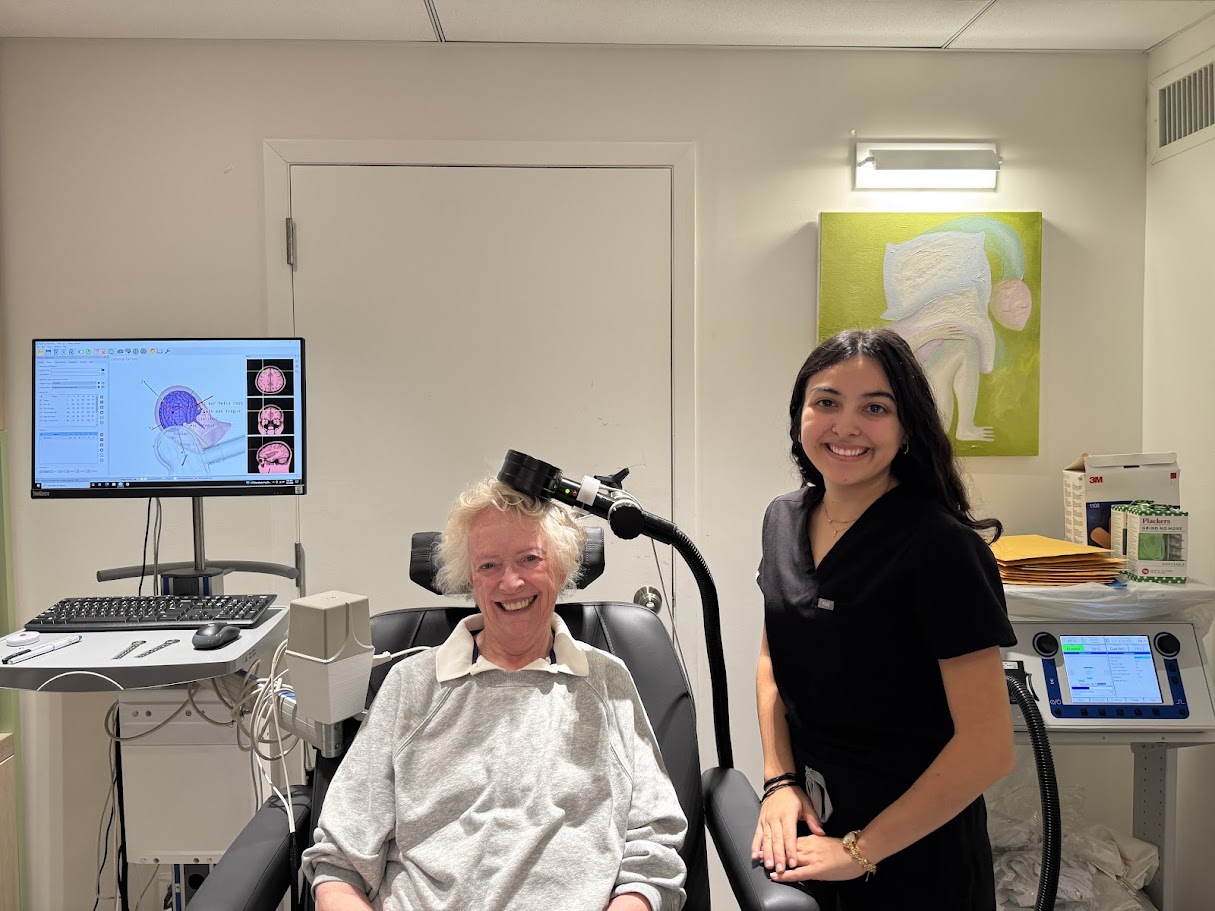
Until now, there has been little practical application for fMRI findings. However, with the help of Omniscient Neurotechnology, we have just started using fMRI data to better target our treatment with transcranial magnetic stimulation (TMS). TMS applied to motor and visual cortices has been reported to help relieve migraine headaches. We have also found it effective in a significant proportion of patients who did not respond to various other treatments. We have not yet accumulated enough data to determine if fMRI-guided TMS treatment is superior to TMS administered over a predetermined set of targets.

The main obstacle to wider use of TMS in clinical practice is the cost. TMS is approved by the FDA and is covered by insurance for the treatment of anxiety and depression, but not migraines or pain. fMRI is an expensive research tool and is also not covered by insurance. Hopefully, the NIH and other research foundations will provide the funds needed to study this promising treatment.

Written by
Alexander Mauskop, MD
Continue reading
May 21, 2026
Research
Your Brain Has Many Pathways, And TMS Can Now Use Them
A groundbreaking University of Iowa study shows that personalized fMRI-guided TMS can now reach and modulate the deep hippocampus — the brain’s command center for memory, emotion, and migraine — without surgery or heavy medications. By mapping each patient’s unique neural pathways, TMS delivers precise stimulation to surface “control points” that influence deep brain structures. Generic approaches barely work, but individualized targeting produces clear, measurable changes. At our headache clinic, we combine TMS and fMRI to offer this advanced, personalized treatment for migraines, depression, PTSD, anxiety, and more.
Read article
May 10, 2026
Research
Elismetrep: A Promising New Experimental Migraine Treatment
Elismetrep is a promising experimental migraine medication that targets the TRPM8 pathway rather than serotonin or CGRP. Early clinical trials suggest it may offer a new option for patients who do not respond well to current treatments.
Read article
May 6, 2026
Alternative Therapies
New Research on Brain Excitability and TMS Treatment for Migraine
New research shows how the brain dynamically regulates excitability in real time—and why this matters for transcranial magnetic stimulation (TMS) as a treatment for migraine.
Read article
Insights from Dr. Alexander Mauskop on headaches and migraines
Subscribe to the Blog.
Subscribe
Subscribe

