Treating menstrual migraines with hormones

September 3, 2008

Women with menstrual migraines who also have chronic migraines can be successfully treated with hormonal therapy, according to a study by Drs. Calhoun and Ford published in journal Headache. Surprisingly, controlling menstrual migraines led to improvement in chronic migraines as well. Chronic migraine is defined as a headache with migraine features that occurs on more than 15 days each month and it affects a staggering 4%-5% of the population. Hormonal therapy usually consists of taking an oral contraceptive continuously for many months, thus eliminating menstrual periods and often headaches and PMS symptoms. Oral contraceptives should not be taken by patients who have visual aura – visual disturbance that usually lasts 30 minutes and precedes the headache.

Written by
Alexander Mauskop, MD
Continue reading
July 18, 2026
Alternative Therapies
Why Everyone Should Have Their Vitamin D Level Checked, And Why 'Normal' Isn't Good Enough
Vitamin D deficiency is common, often missed, and easy to correct. In this post I explain why “normal” lab values can be misleading, how vitamin D affects headaches, heart and brain health, and what levels and doses I recommend for my patients.
Read article
July 13, 2026
Brain disorders
fMRI-guidedTMS targeting improves outcomes
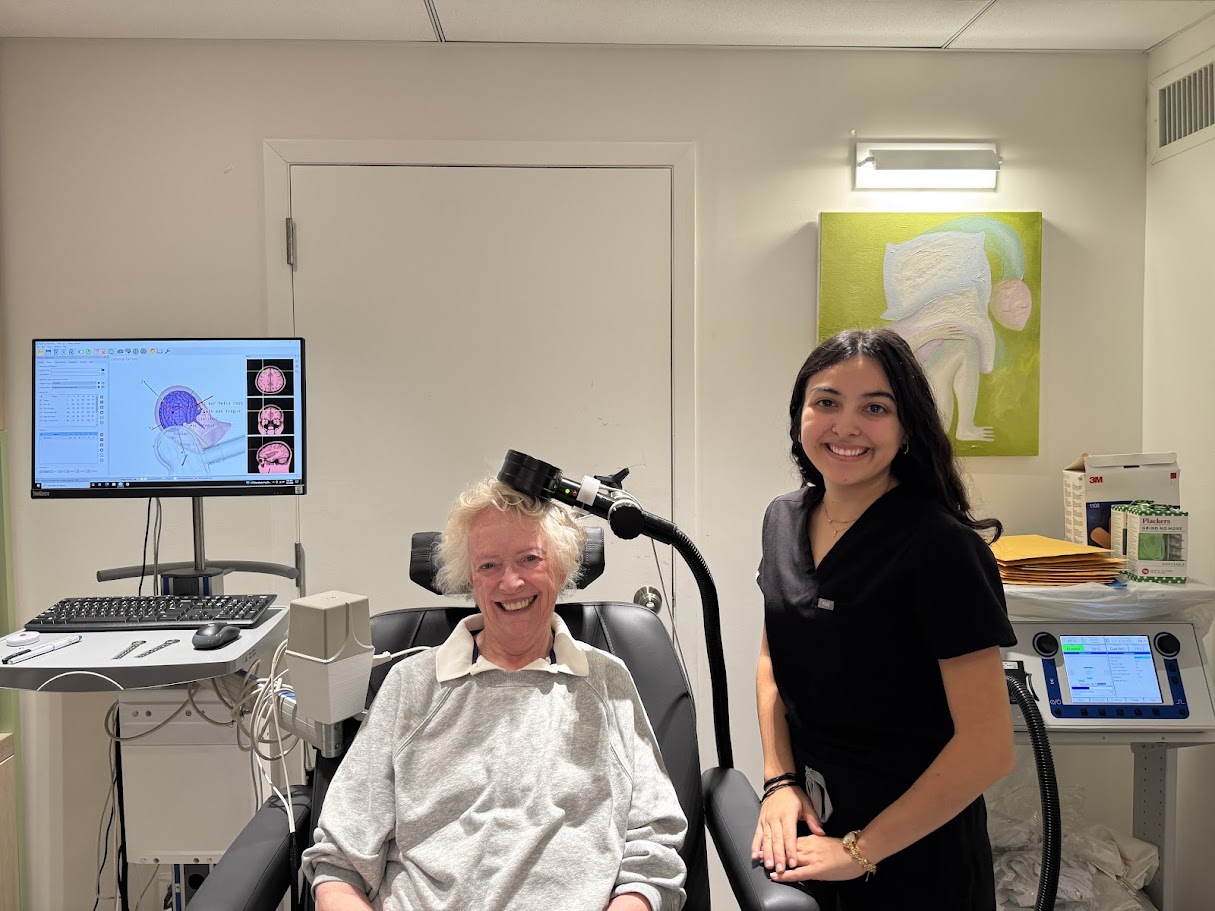
This post reviews new data showing that fMRI‑guided, connectivity‑based TMS targeting improves response rates in treatment‑resistant depression and likely other conditions. By mapping each patient’s brain circuits, clinicians can move beyond a one‑size‑fits‑all DLPFC target to condition‑specific and patient‑specific sites, a particularly important advance for migraine and network‑based pain disorders.
Read article
July 3, 2026
Alternative Therapies
Essential Oils Can Change Your Brain
The science of essential oils and the brain is still young, but the findings so far are more compelling than many people realize. Brain imaging studies show that common scents like rose, lavender, peppermint, and lemon produce measurable changes in brain structure, brain activity, and pain processing. These studies are small and preliminary, and essential oils are not a substitute for medical treatment. But the evidence suggests that what we smell can influence the brain in real, physical ways
Read article
Insights from Dr. Alexander Mauskop on headaches and migraines
Subscribe to the Blog.
Subscribe
Subscribe