Germany was just voted world’s favorite country, according to a report in the USA Today. It also may be the most advanced country in the area of medical rehabilitation. I just came back from Germany where I was invited to give lectures at two prominent clinics. Doctors from both institutions had visited our New York Headache Center to learn about our approach to the treatment of migraines and to learn Botox injection techniques.
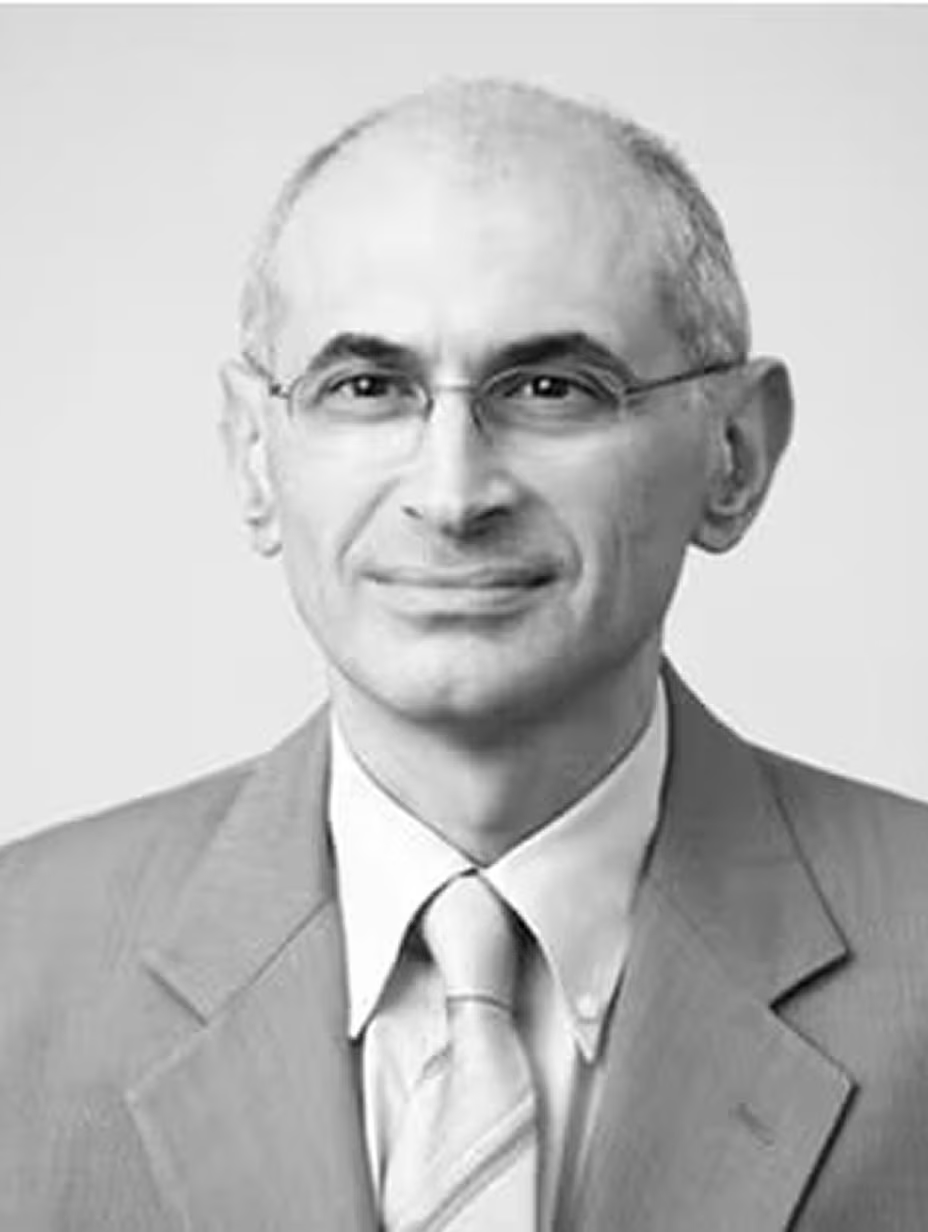
My first stop was at the Berolina Klinik, a 280-bed rehabilitation hospital located 80 miles west of Hanover. This hospital provides rehabilitation for a variety of conditions, including orthopedic problems, depression, and chronic headaches. Patients are admitted for a period of 4 to 5 weeks. Treatments available at this institution include physical therapy, biofeedback, individual and group psychotherapy, art therapy, and other. All patient rooms are private. There is a 25-meter (82 feet) swimming pool, gym, inviting dining rooms (with excellent food – I sampled it), green lawns with reclining chairs, and all of it immaculately clean and well-maintained. Staying in such a facility for 4 to 5 weeks is a luxury not available to most Americans. The hospital welcomes patients from abroad and the cost is surprisingly low – about $9,000 for a month of stay, which is less than a third of the cost in the US. They will even pick you up at the Frankfurt airport (third busiest in Europe), which is only 3 hours’ drive. Most of the German patients treated at the Berolina Klinik are covered by insurance, mostly by the German pension fund. The pension fund annually evaluates every facility using strict outcome measures, including the percentage of patients employed two years after being treated at a rehabilitation facility. Berolina Klinik consistently rates among the top German rehabilitation clinics. Dr. Zoltan Medgyessy is the main headache specialist at the clinic and is considered to be one of the leading headache experts in Germany.
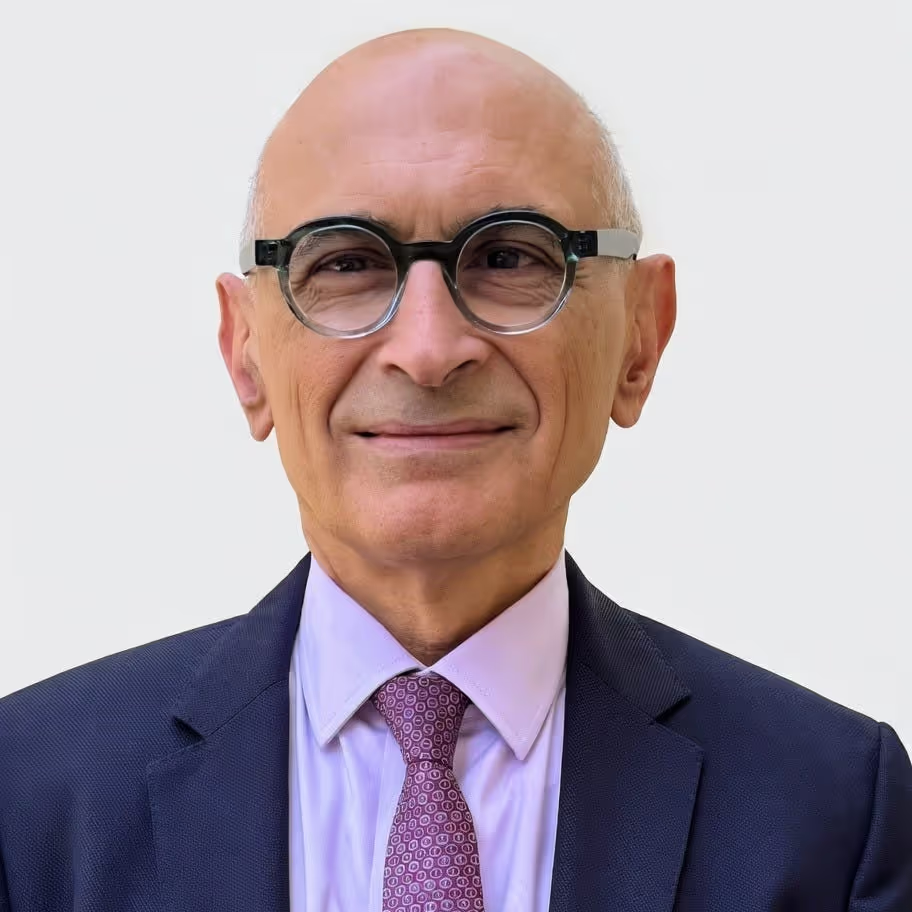
The second stop was in Kiel at one of the best German headache and pain clinics, Schmerzklinik Kiel, which is directed by Dr. Hartmut Göbel. This clinic is also an in-patient facility (unlike in the US, where the word clinic implies an office setting). Approximately 70% of patients treated at the Schmerzklinik suffer from headaches and 30% from chronic pain. The clinic is housed in a beautiful building located on the Kiel fjord. Dr. Göbel is one of the top headache researchers and he and I have collaborated on the study of butterbur for the treatment of migraines, which was published in 2004. On this trip I had the honor of speaking in Dr. Göbel’s Master Class – an annual training course for German headache specialists. While I would refer patients who need longer-term rehabilitation (or detox from opioid and other headache drugs) to the Berolina Klinik, Schmerzklinik is where I refer European patients with complicated headache problems and those needing shorter hospital stays.