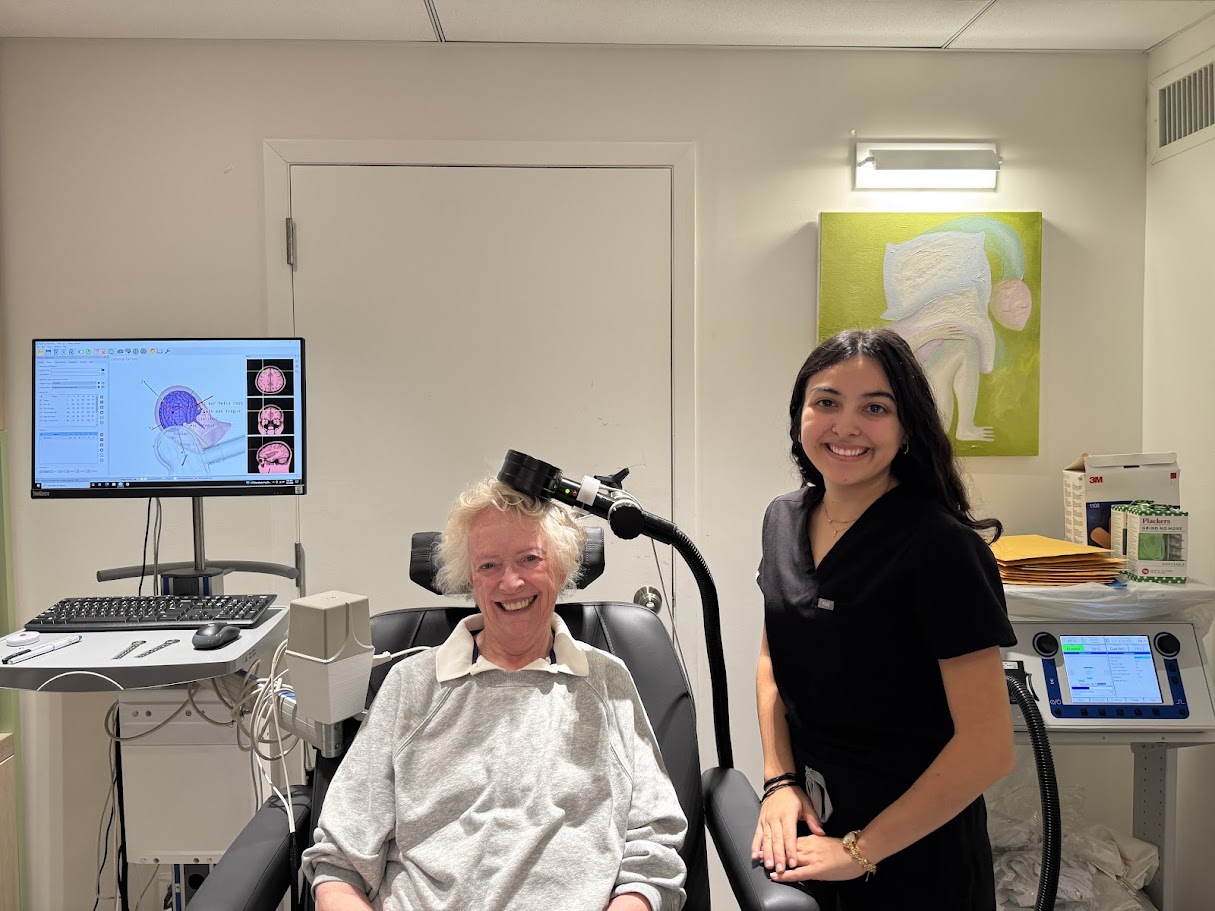
We recently started using RightEye eye-tracking equipment which can help our patients who are suffering from visual difficulties due to migraines, concussion, or traumatic brain injury (TBI). Many brain disorders can impair the control of eye movements. This can lead to incorrect information being passed from the eyes to the brain, which can worsen brain dysfunction. Eye strain can also contribute to migraines and post-concussion headaches.
The RightEye computer has a built-in infrared eye-tracking device that can accurately diagnose different abnormal eye movements. It tests smooth pursuit, vertical and horizontal saccades, reading, reaction time, and other functions. A recent study, Vertical smooth pursuit as a diagnostic marker of traumatic brain injury showed a correlation between moderate and severe TBI and abnormal eye movements.
Eye movement problems after TBI were also reported in a study published in the Journal of Neurotrauma , Eye Tracking Detects Disconjugate Eye Movements Associated with Structural Traumatic Brain Injury and Concussion.
A study in the journal Brain showed that eye movement difficulties were still present 3 to 5 months after the concussion and that they were not affected by the presence of depression or degree of intellectual ability. Compared with neuropsychological tests, eye movements were more likely to be markedly impaired in patients with many postconcussion symptoms.
While there are no studies showing that migraines improve with eye exercises, there is some evidence that symptoms of concussion which can include migraine headaches, do improve. A review of several published studies of vision therapy for post-concussion symptoms found it “promising”.
Why would we offer this eye movement therapy in the absence of definitive proof of its efficacy? Mostly because there are limited options for the treatment of concussion and migraines with prominent visual symptoms. We also consulted experts at SUNY College of Optometry in NYC and they were very positive about the potential benefits of this therapy.
The testing process takes about 10 minutes. If problems are found, patients are prescribed specific eye exercises that are done daily by logging into RightEye company’s portal.