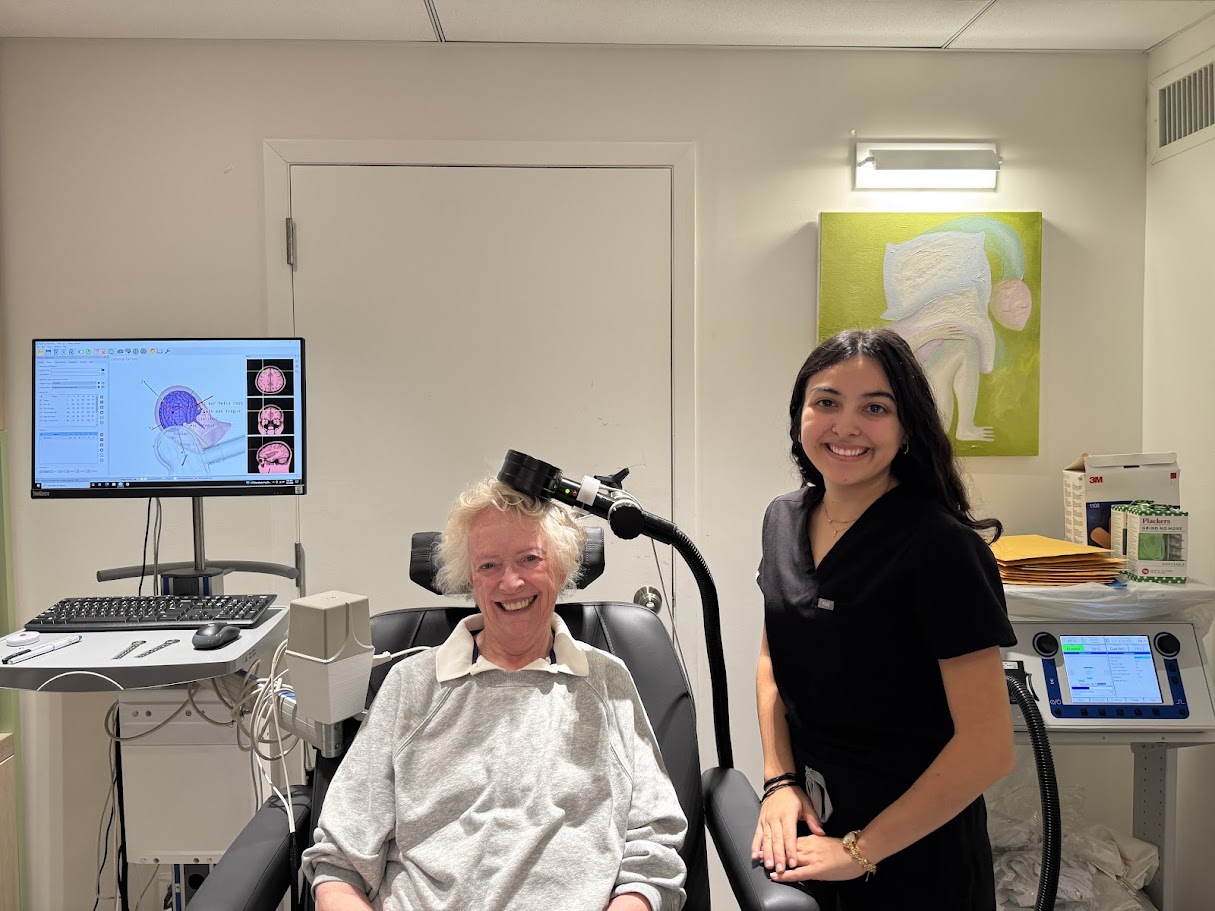
Alternating electric current does not help headaches

August 29, 2013

A variety of electrical devices have been tried for the treatment of headaches and have been mentioned in several of my previous blogs. One study showed that passing direct current through the head may help migraines and depression. Another study recently presented at the joint meeting of the International and American Headache Societies showed that passing alternating current, just like done by any TENS (transcutaneous electric nerve stimulation) machine, but using a proprietary device, Fisher Wallace Stimulator, did not provide relief. This study performed by Dr. Tietjen and her colleagues in Ohio was blinded and involved 50 patients. They applied the stimulator for 20 minutes every day for a month with one half receiving stimulation and the other half not. After a month both groups used real stimulation for another month. While this device did not cause any serious side effects, it also did not help. Hopefully, we will soon see results of large studies using direct current stimulation since this method appears to be more promising than alternating current used in TENS devices.

Written by
Alexander Mauskop, MD
Continue reading
July 3, 2026
Alternative Therapies
Essential Oils Can Change Your Brain
The science of essential oils and the brain is still young, but the findings so far are more compelling than many people realize. Brain imaging studies show that common scents like rose, lavender, peppermint, and lemon produce measurable changes in brain structure, brain activity, and pain processing. These studies are small and preliminary, and essential oils are not a substitute for medical treatment. But the evidence suggests that what we smell can influence the brain in real, physical ways
Read article
June 30, 2026
Alternative Therapies
Why I Ask You to Breathe Out When I Inject Botox
Incorporating slow, prolonged exhalation into procedures such as Botox injections offers a practical, evidence‑informed way to reduce discomfort and anxiety. By aligning the injection with the out‑breath, we engage parasympathetic and attentional mechanisms that help the brain process pain signals less intensely. This simple breathing cue does not replace careful technique or other comfort measures, but it complements them and gives patients an active role in their own pain control. As research on breathing and pain continues to grow, integrating this kind of mind–body strategy into migraine care becomes an increasingly important part of modern neurology.
Read article
June 29, 2026
Migraine status
Intravenous treatment for severe migraine
When you need intravenous drugs, in an ER or our office
Read article
Insights from Dr. Alexander Mauskop on headaches and migraines
Subscribe to the Blog.
Subscribe
Subscribe