New prescription migraine drug (actually an old, repackaged one)

June 30, 2010

Aspirin and similar anti-inflammatory drugs have been proven to be effective for many migraine sufferers. In a recent report 1,000 mg of aspirin was found to be as effective as 100 mg of sumatriptan (Imitrex) with fewer side effects. Cambia is a new prescription drug, which was recently approved by the FDA specifically for the treatment of migraine headaches. The active ingredient in this drug is diclofenac, which is also sold under Voltaren and Cataflam names. But unlike other forms of diclofenac, Cambia is a powder which patients are supposed to dissolve in a glass of water and drink it.  Drinking a solution rather than swallowing a pill speeds absorption of the drug, which can make a difference for those migraine sufferers who need to catch their attacks early, or drugs don’t help. The drug has a “black box” warning, which cautions about possible cardiovascular side effects, as well as gastro-intestinal side effects, including bleeding and ulcers. The cardiovascular side effects of diclofenac are similar to those of Vioxx which was taken off the market. Other NSAIDs also carry risk of cardiovascular (and GI) side effects, but their risk is lower. The only NSAID without cardiovascular risks is aspirin.  In fact it is used to prevent strokes and heart attacks. Aspirin is also the only drug which prevents the development of rebound headaches – worsening of headaches from frequent intake of a headache medicines or caffeine.

Written by
Alexander Mauskop, MD
Continue reading
June 7, 2026
News
A new edition of my migraine book and an upcoming conversation with Dr. Sanjay Gupta
An overview of why I updated The End of Migraines: 150 Ways to Stop Your Pain for a 3rd edition, what has changed in migraine treatment, and how a more structured, realistic approach can help people who feel they’ve “tried everything.”
Read article
June 4, 2026
Research
A New Study of Meat Intake, Genetics, and Brain Health
A newly published Swedish study suggests that the relationship between diet and brain aging may be more genetically specific than previously understood. Researchers followed over 2,000 older adults for up to 15 years and found that higher meat consumption was associated with slower cognitive decline and lower dementia risk, but only in those carrying the APOE E4 genetic variant, the most common hereditary risk factor for Alzheimer's disease. This may be relevant for people with headaches.
Read article
June 3, 2026
News
Keynote address at the 22nd Annual Neuroscience Zappulla Research Day
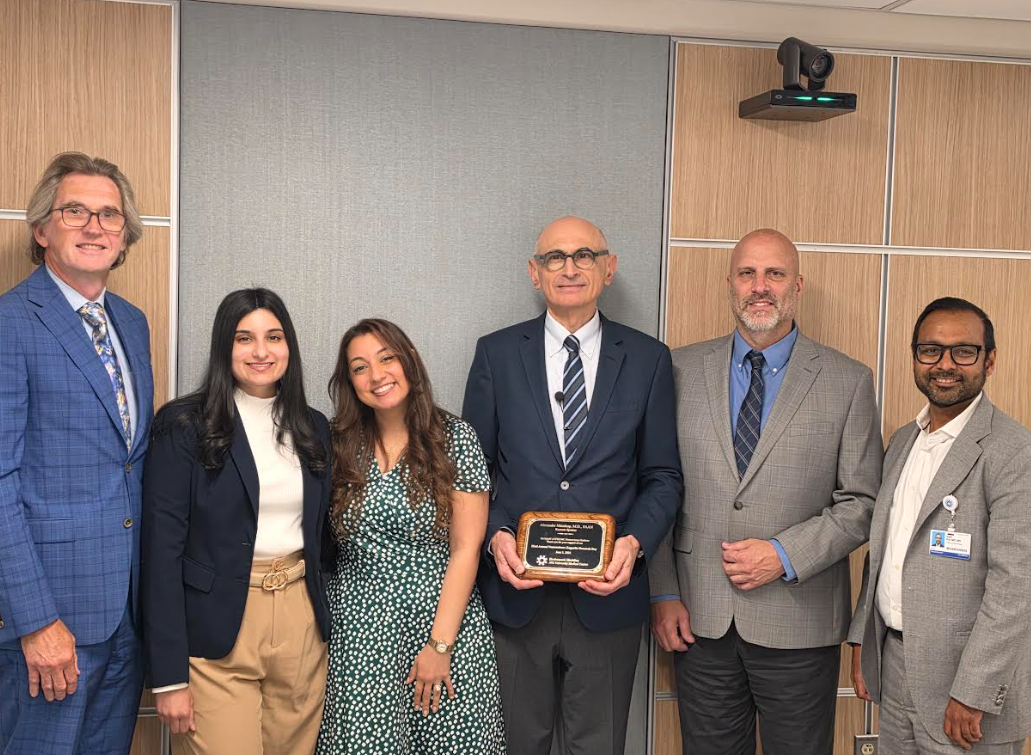
I was honored to be delivering the keynote address at the 22nd Annual Neuroscience Zappulla Research Day on Wednesday, June 3, at the Hackensack Meridian Neuroscience Institute, JFK University Medical Center in Edison, NJ.
Read article
Insights from Dr. Alexander Mauskop on headaches and migraines
Subscribe to the Blog.
Subscribe
Subscribe