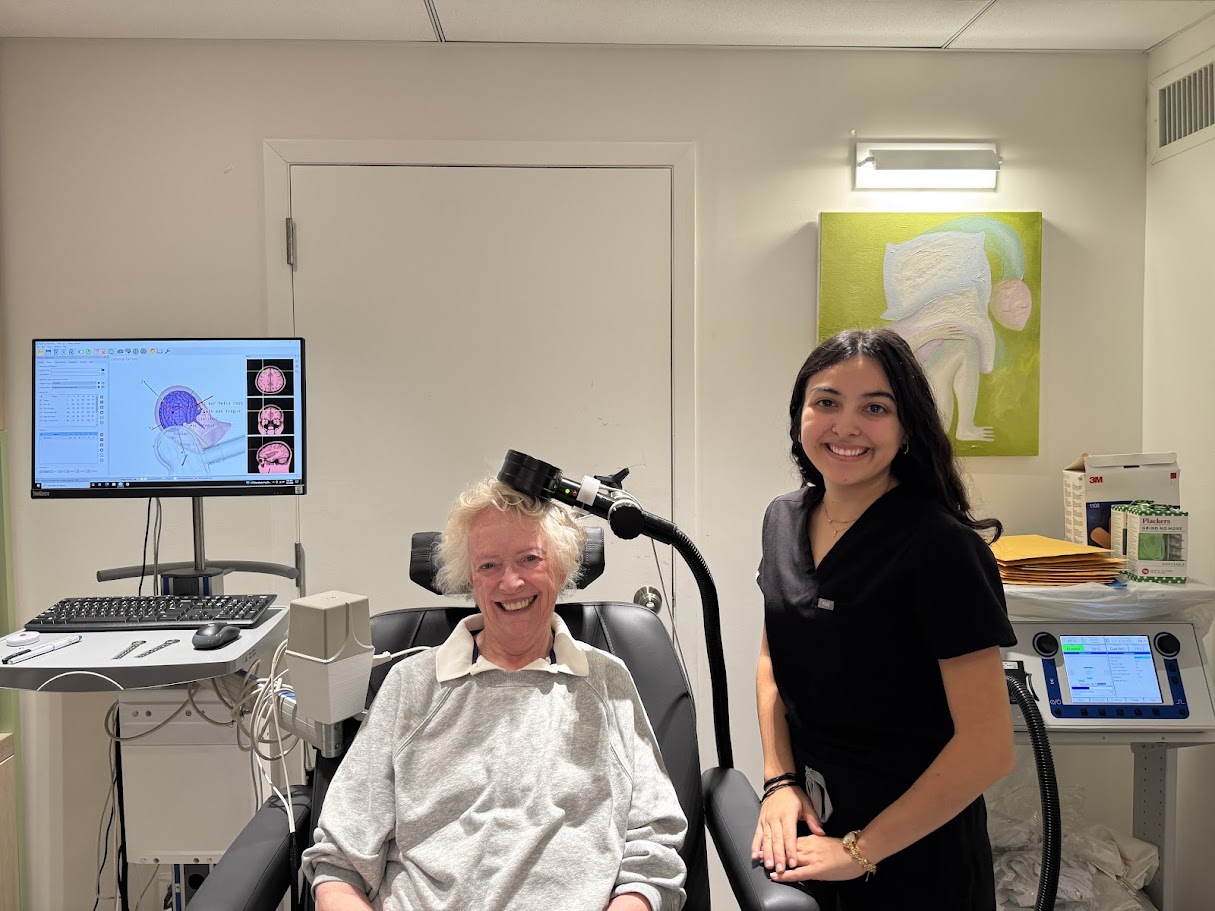
Ketamine is a medicine that is sometimes given intravenously for anesthesia. It is a controlled drug because it can induce euphoria and is potentially addictive. In a previous post I mentioned several anecdotal reports about the beneifical effect of ketamine for a prolonged migraine aura, hemiplegic migraine and other types of headaches.
A presentation at the recent annual meeting of the American Society of Anesthesiologists described the results of ketamine infusion on severe migraines in patients admitted to the Thomas Jefferson University Hospital in Philadelphia from 2014 to 2016. 48 of the 61 patients (77%) responded to this treatment, meaning that their pain levels improved by at least 2 points on a 1 to 10 scale. On average, the infusion had to be given for 5 days. Side effects included sedation (51%), blurry vision (38%), nausea or vomiting (38%), hallucinations (28%), vivid dreams (13%), and low blood pressure (5%). The authors described the adverse effects as mild in nature and only 1 patient discontinued treatment. However, having hallucinations, drop in blood pressure or vomiting does no sound like mild side effects to me. On the other hand, these were patients whose migraine did not respond to other treatments and they needed to be hospitalized, so these side effects could in fact be acceptable if the treatment ultimately provides relief.
Review of patient records admitted to the same hospital between 2006 and 2014 showed the mean headache pain rating using a 0-10 pain scale dropped from 7 on admission to 4 on discharge. The majority (55 out of 77, or 71%) of patients responded by the same definition of an at least 2-point improvement in headache pain at discharge. Only a quarter of responders maintained this benefit at their follow-up office visit. The mean length of infusion was also 5 days. And again, most patients tolerated ketamine well with “very few serious side effects”.
Anecdotal evidence also exists for the use of ketamine infusions to treat depression. There are some outpatient clinics that offer ketamine infusions for chronic pain and depression and a few of my patients have gone there, but unfortunately with little success.