
If you had migraine surgery – what was your experience?

February 4, 2013

Migraine surgery continues to be promoted by an ever increasing number of plastic surgeons. In my previous post in 2007 I mentioned the reasons to avoid such surgery and five years later all those reasons remain. Some of the leading objections are lack of proof, existence of a safer alternative (Botox injections), and most importantly, the risk of potentially serious side effects. Several of my colleagues have seen patients who suffered complications of surgery and we decided to ask other patients who underwent migraine surgery to come forward and share their experience. We understand that this will not be a highly scientific study and it will not tell us what percent of people suffer negative outcomes since those who suffered complications and side effects are more likely to come forward than those who had none. However, we think that because doctors who perform surgery are unlikely to report side effects and complications, it is important for people to know what can go wrong. So, please post your experience in response to this blog or if you prefer to remain anonymous, email me at DrMauskop@nyheadache.com.
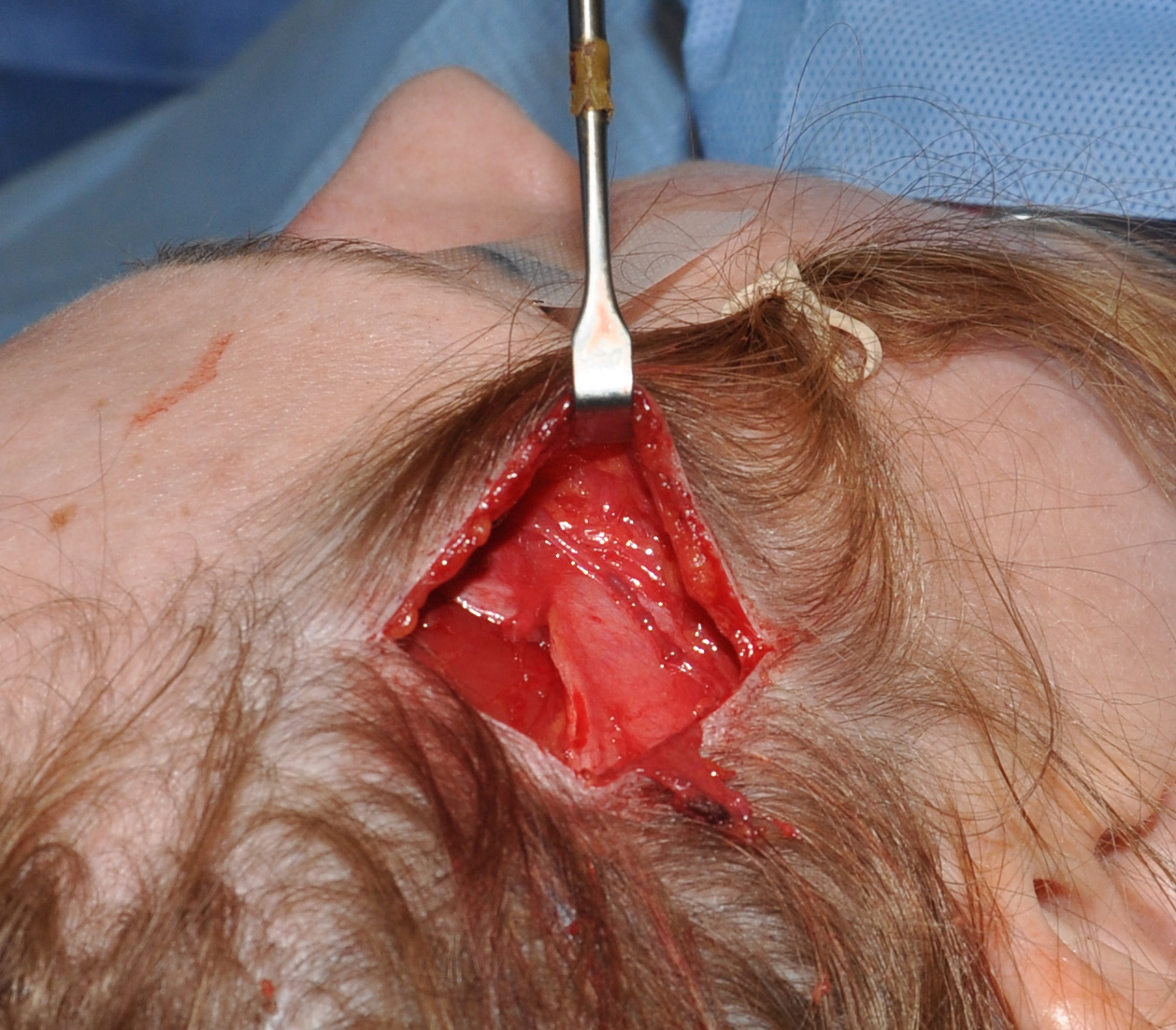

migriane surgery
Written by
Alexander Mauskop, MD
Continue reading
August 2, 2026
Alternative Therapies
A Wearable Device May ImproveBalance in Aging Adults and Possibly Vestibular Migraine
This technology uses imperceptible electrical stimulation delivered through electrodes placed behind the ears and on the upper neck. Early studies and pilot trials suggest improvements in balance and gait, with a favorable safety profile, but larger sham-controlled studies that measure actual falls, not just test performance, are still needed.
Read article
July 18, 2026
Alternative Therapies
Why Everyone Should Have Their Vitamin D Level Checked, And Why 'Normal' Isn't Good Enough
Vitamin D deficiency is common, often missed, and easy to correct. In this post I explain why “normal” lab values can be misleading, how vitamin D affects headaches, heart and brain health, and what levels and doses I recommend for my patients.
Read article
July 13, 2026
Brain disorders
fMRI-guidedTMS targeting improves outcomes
This post reviews new data showing that fMRI‑guided, connectivity‑based TMS targeting improves response rates in treatment‑resistant depression and likely other conditions. By mapping each patient’s brain circuits, clinicians can move beyond a one‑size‑fits‑all DLPFC target to condition‑specific and patient‑specific sites, a particularly important advance for migraine and network‑based pain disorders.
Read article
Insights from Dr. Alexander Mauskop on headaches and migraines
Subscribe to the Blog.
Subscribe
Subscribe

