Fear delays recovery in whiplash injuries

May 4, 2013

Fear and avoidance of activity may play a role in fostering disability in whiplash-associated disorders, according to a new study by University of Washington researchers published in the latest issue of journal Pain. This study examined the role of fear after whiplash and assessed the effectiveness of 3 treatments targeting fear. They evaluated 191 people still suffering from whiplash symptoms 3 months after the injury. Patients were assigned to one of the following three treatments: (1) informational booklet describing whiplash disorder and the importance of resuming activities, (2) informational booklet plus a discussions with clinicians reinforcing the booklet, and (3) informational booklet, plus a psychological technique called imaginal and direct exposure desensitization to feared activities. The second and the third group received three 2-hour treatment sessions. Those given psychological intervention reported significantly less post-treatment pain severity compared with those given a brochure or brochure and discussion. Reduction in fear was the most important predictor of improvement, followed by reductions in pain and depression. The authors concluded that the results highlight the importance of fear in individuals with persistent whiplash injury symptoms and suggest the importance of addressing fear through exposure therapy and educational interventions to improve function.

Photo credit: JulieMauskop.com

Written by
Alexander Mauskop, MD
Continue reading
June 7, 2026
News
A new edition of my migraine book and an upcoming conversation with Dr. Sanjay Gupta
An overview of why I updated The End of Migraines: 150 Ways to Stop Your Pain for a 3rd edition, what has changed in migraine treatment, and how a more structured, realistic approach can help people who feel they’ve “tried everything.”
Read article
June 4, 2026
Research
A New Study of Meat Intake, Genetics, and Brain Health
A newly published Swedish study suggests that the relationship between diet and brain aging may be more genetically specific than previously understood. Researchers followed over 2,000 older adults for up to 15 years and found that higher meat consumption was associated with slower cognitive decline and lower dementia risk, but only in those carrying the APOE E4 genetic variant, the most common hereditary risk factor for Alzheimer's disease. This may be relevant for people with headaches.
Read article
June 3, 2026
News
Keynote address at the 22nd Annual Neuroscience Zappulla Research Day
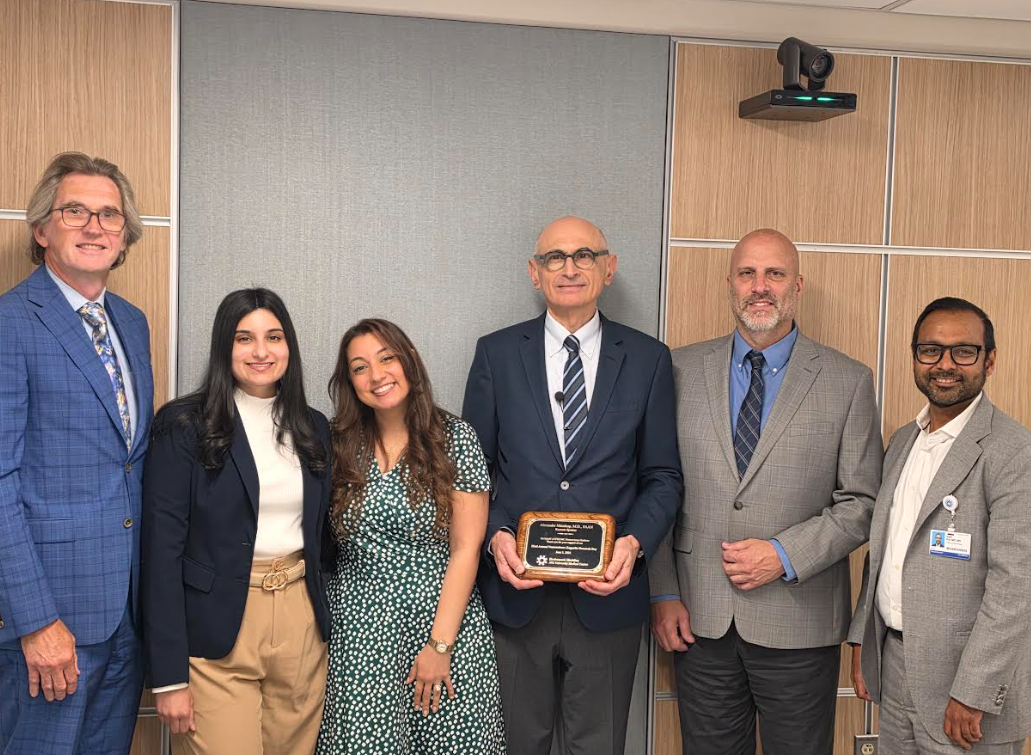
I was honored to be delivering the keynote address at the 22nd Annual Neuroscience Zappulla Research Day on Wednesday, June 3, at the Hackensack Meridian Neuroscience Institute, JFK University Medical Center in Edison, NJ.
Read article
Insights from Dr. Alexander Mauskop on headaches and migraines
Subscribe to the Blog.
Subscribe
Subscribe