Cluster headaches, sleep disturbance, and depression

November 9, 2016

According to large epidemiological studies, migraine sufferers are 2-3 times more likely to develop depression, anxiety and other psychiatric disorders than those without migraines. And it is a bidirectional relationship, meaning that those with depression are 2-3 times more likely to develop migraines than those without depression. Cluster headaches, which have at times been referred to as “suicide headaches,” have been suspected to be also associated with depression. Until now, no similar large studies have been conducted in patients with cluster headaches in part because cluster headaches are much less common than migraines.

In a study just published in the journal Neurology, a group of Dutch physicians studied 462 patients with cluster headaches and compared them to 177 control subjects. They evaluated these patients for history of depression during their lifetime, current depression in the midst of a cluster period, and because many cluster attacks occur in sleep, they also looked for sleep disturbances. The results showed that depression was 3 times more likely to occur patients with cluster headaches than in healthy controls. Those with chronic cluster headaches had a higher risk of depression and sleep problems than patients with episodic cluster headaches. Current depression was associated with having active attacks within the preceding month, but this association was only present if the patient also had a sleep disturbance.

The authors concluded that cluster headache patients are three times more likely to develop depression in their life time. However, current depression was in part related to sleep disturbances due to ongoing nocturnal cluster attacks.

Written by
Alexander Mauskop, MD
Continue reading
June 17, 2026
Research
A New Controlled Trial Suggests Even a Short Behavioral Treatment Can BeEffective for Chronic Pain
A new randomized controlled trial in PAIN found that just six 30-minute CBT sessions for chronic musculoskeletal pain significantly reduced pain interference and improved sleep and physical quality of life, with benefits sustained at follow-up. The findings suggest that brief, scalable behavioral treatments could be integrated into routine primary care and headache practice to improve function without requiring long-term psychotherapy.
Read article
June 7, 2026
News
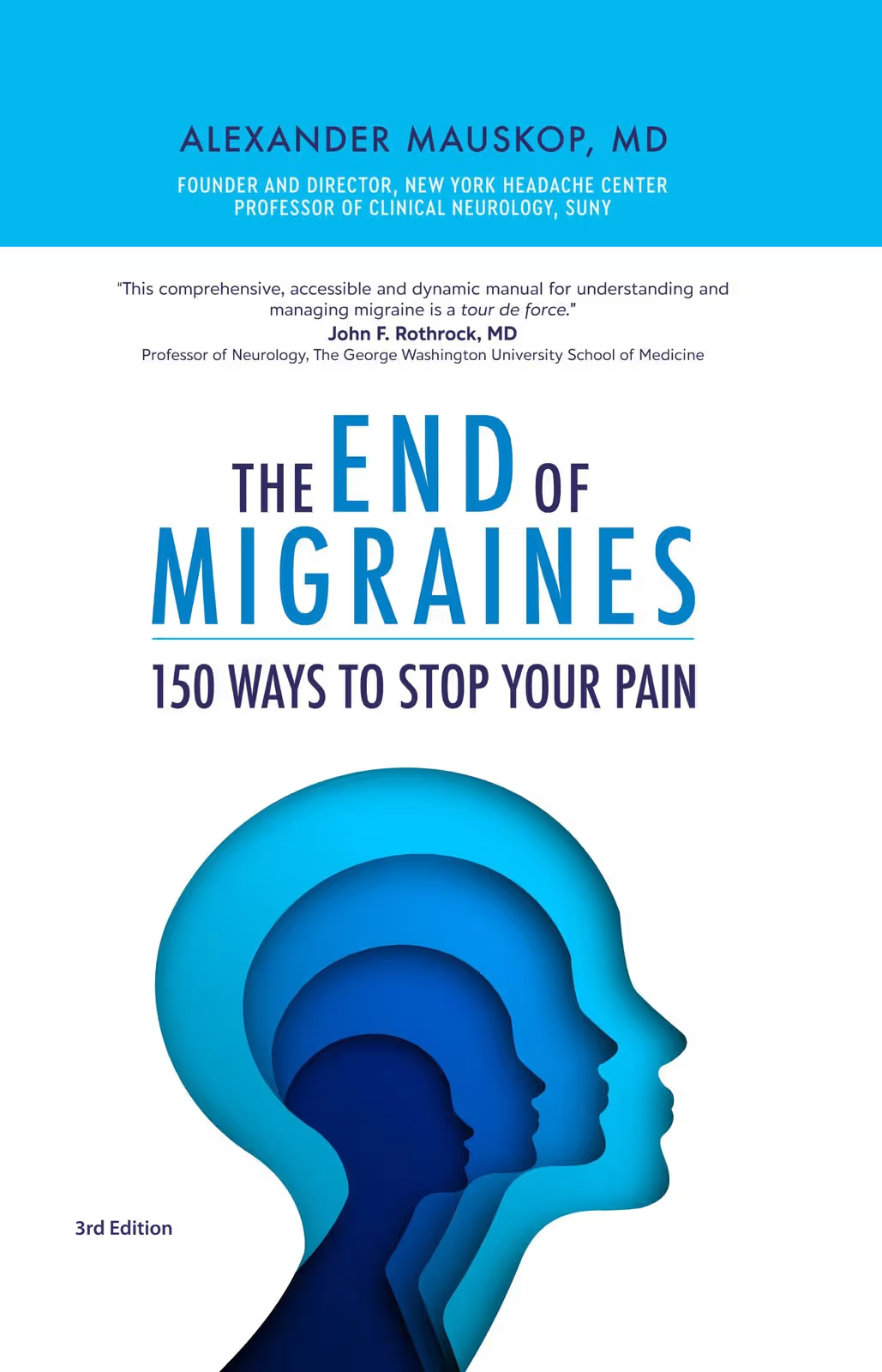
A new edition of my migraine book and an upcoming conversation with Dr. Sanjay Gupta
An overview of why I updated The End of Migraines: 150 Ways to Stop Your Pain for a 3rd edition, what has changed in migraine treatment, and how a more structured, realistic approach can help people who feel they’ve “tried everything.”
Read article
June 4, 2026
Research
A New Study of Meat Intake, Genetics, and Brain Health
A newly published Swedish study suggests that the relationship between diet and brain aging may be more genetically specific than previously understood. Researchers followed over 2,000 older adults for up to 15 years and found that higher meat consumption was associated with slower cognitive decline and lower dementia risk, but only in those carrying the APOE E4 genetic variant, the most common hereditary risk factor for Alzheimer's disease. This may be relevant for people with headaches.
Read article
Insights from Dr. Alexander Mauskop on headaches and migraines
Subscribe to the Blog.
Subscribe
Subscribe