Archive for January, 2010

Migraine and cognitive decline

Wednesday, January 27th, 2010

Migraine and migraine medications do not appear to cause cognitive decline, according to a Dutch study just published in Headache.  After 6 years of follow-up there was no difference between those who suffered from migraines and healthy controls.  Taking migraine medications also did not have an effect on cognitive function.  This is very reassuring, especially because a recent study in rats suggested brain damage from what the researchers felt was a process similar to migraine.

Blood pressure drugs for migraine headaches

Wednesday, January 27th, 2010

One of the oldest preventive headache medications for migraines is propranolol (Inderal), which belongs to the family of blood pressure medications called beta-blockers.  There are newer and better beta-blockers, such as nebivolol (Bystolic), which have fewer side effects than propranolol.  We also use other types of blood pressure medications, such as calcium channel blockers (verapamil or Calan, and other) and ACE inhibitors (lisinopril, or Zestril/Prinivil is one example).  The newest category of blood pressure medications is ACE receptor blockers (ARBs) which are at least as effective and have fewer side effects than ACE inhibitors.  The best scientific evidence (from a single double-blind study) for the efficacy of ARBs in migraines is for candesartan (Atacand).

Headaches in kids

Wednesday, January 13th, 2010

74% of girls and 52% of boys have headaches at age 17, according to a Finnish study of 6,262 twins.  At age 11, 60% of girls and 59% of boys had headaches at least once a month.   The prevalence of weekly headaches increase d in girls from 16% to 25% between ages 11 and 14.  Headaches in kids is a major problem, but unfortunately it does not receive proper attention.  Sometimes parents do not believe that their child has a headache or if they do, they are reluctant to take the child to a doctor because they don’t want to resort to prescription medications.  Fortunately, many non-drug approaches are very effective in kids.  Regular sleep schedule (very hard to enforce in teenagers), regular meals, frequent aerobic exercise, biofeedback or meditation, and supplements can be very effective.  Several studies have shown that kids with headaches are often deficient in magnesium, riboflavin (vitamin B2), and Co-enzyme Q10 (CoQ10).  If a child still has headaches, a medications may also be appropriate.

More on benefits of vitamin D

Tuesday, January 12th, 2010

Vitamin D deficiency is often found in patients with headaches and neuralgia, which I’ve already mentioned in previous posts.  Chronic pain patients with low vitamin D levels were also found to have poor exercise tolerance, making their rehabilitation more difficult.  Now, there is strong evidence from two independent studies, which involved over one thousand people, that those with low vitamin D levels were twice as likely to develop Alzheimer’s disease, other types of dementia, and strokes.  The researchers and those commenting on this research called for more studies before any recommendations can be made.  This response of the medical establishment is typical in its lack of common sense.  Yes, there are dangers in taking too much vitamin D, but shouldn’t they call for doctors to test for this deficiency and correct it when it is present?  Even if we don’t know exactly if this supplementation will prevent strokes, Alzheimer’s or headaches, it makes sense to keep everyone’s level in the middle of the normal range.

Light and headaches

Monday, January 11th, 2010

Migraines in blind people are made worse by light, according to Dr. Burstein and his associates at Harvard.  Rami Burstein is one of the leading headache researchers who often asks questions no one else thought to ask.  More importantly, he often finds the answers.  When he mentioned to me that he wants to find out why bright light makes headaches worse (so called photophobia), I immediately thought of a blind patient I was treating.  She was very interested in helping Rami discover the answer and helped him recruit many other blind migraine sufferers.  After several years of work, his finding were published today in Nature Neuroscience.  A recent discovery showed that in addition to rods and cones in the retina (cells that allow us to see), there are cells which react to light, but their input goes to non-visual parts of the brain.  These cells regulate sleep-wake cycle and, according to Rami Burstein’s research, also magnify pain perception in headache patients.

Headaches in pregnancy

Sunday, January 10th, 2010

The fact that two out of three pregnant women stop having headaches during pregnancy is well established, however a study by Norwegian researchers published in Headache provides some additional details.  Women with headaches who are pregnant for the first time tend to have fewer headaches than non-pregnant women or women during subsequent pregnancies.  This is especially true in the third trimester.   Non-pregnant women who had never been pregnant were less likely to have headaches than women who had been.  If a woman does have headaches during pregnancy, the initial treatment should consist of non-drug therapies, such as biofeedback or meditation, magnesium and other supplements, acupuncture, and if headaches are frequent, Botox injections.

Abuse and migraines

Saturday, January 9th, 2010

Childhood abuse or neglect was reported by 58% of 1,348 migraine sufferers according to a study published in the current issue of Headache.  Emotional abuse and neglect was particularly common.  Patients with other chronic pain conditions also have high incidence of emotional, sexual, and physical abuse.  Migraine patients who suffered abuse are also more likely to have anxiety and depression.  We do not know what physiological mechanisms that are triggered by abuse lead to chronic pain.  This and similar studies suggest that greater attention should be directed at the psychological factors that contribute to migraine headaches.  One possible negative outcome of this study is that some physicians, who may already consider migraine to be a purely psychological disorder, will be even more inclined to avoid treating migraine as a biological disease.  In practice, it means that these doctors will be even more reluctant to prescribe appropriate acute migraine medications, such as triptans (Imitrex and other).  Migraine is clearly a biological disorder with documented genetic predisposition and should be treated as such.  At the same time, we know that psychological factors play a major contributing role and should be also addressed when treating headache and pain patients.

Science of acupuncture - 2

Sunday, January 3rd, 2010

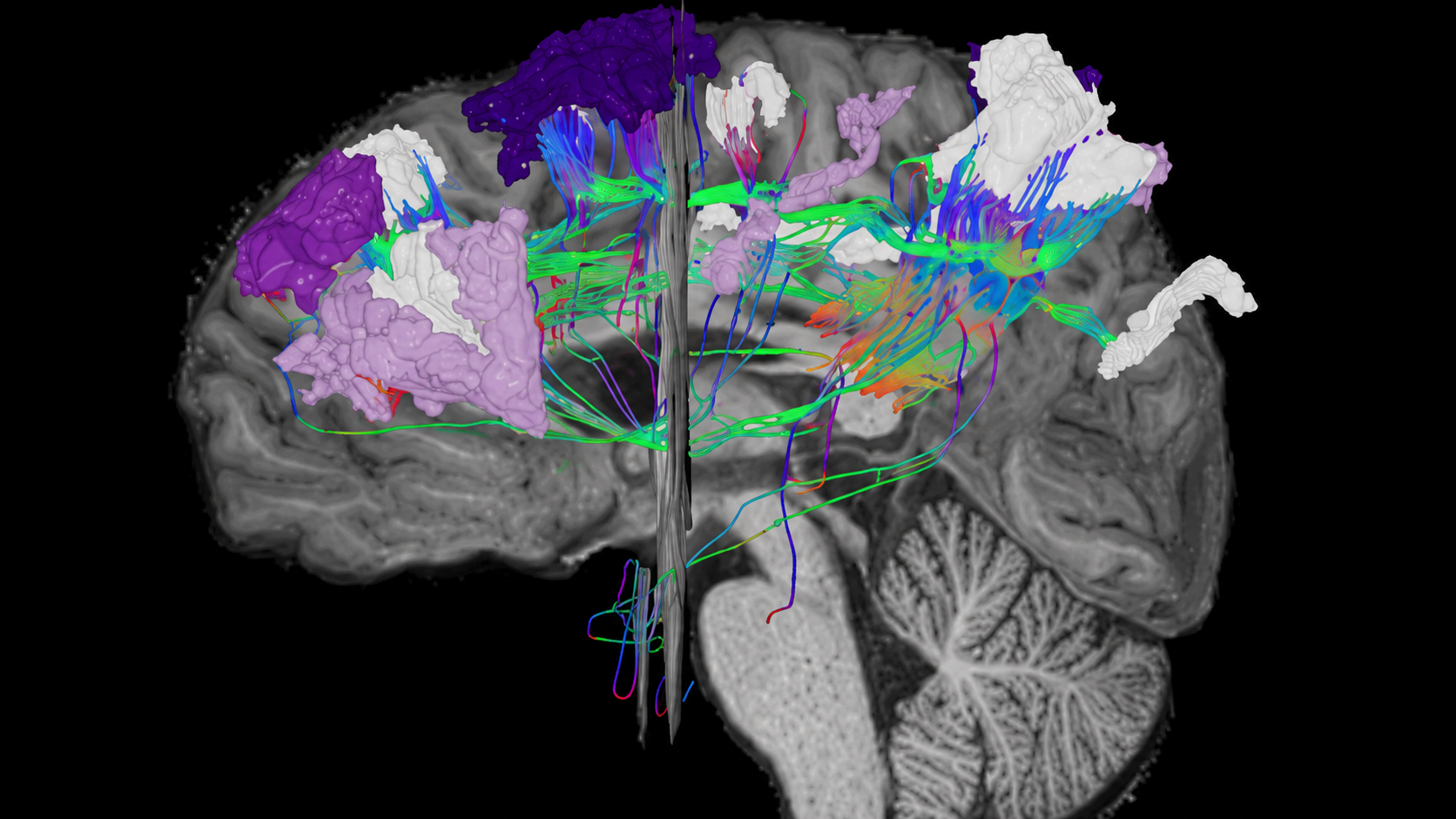
Acupuncture increases connections between different areas of the brain, according to Dhond and other Korean researchers who published their findings in the journal Pain.  They compared the effect of true and sham acupuncture in healthy volunteers using functional MRI of the brain.  They discovered that true acupuncture (insertion of one needle into the forearm) enhanced the “spacial extent of resting brain networks to include anti-nociceptive (pain-relieving), memory, and affective (responsible for emotions) brain regions”.   The researchers felt that this enhancement of connections between various parts of the brain is probably responsible for the pain relief induced by acupuncture.   After the recent German study of acupuncture for headaches which involved over 15,000 patients there is little doubt that acupuncture works for headaches (and many other pain conditions), but this study helps provide stronger scientific evidence that the relief is not due to placebo.