Archive for August, 2007

MRI scan as Treatment

Friday, August 31st, 2007

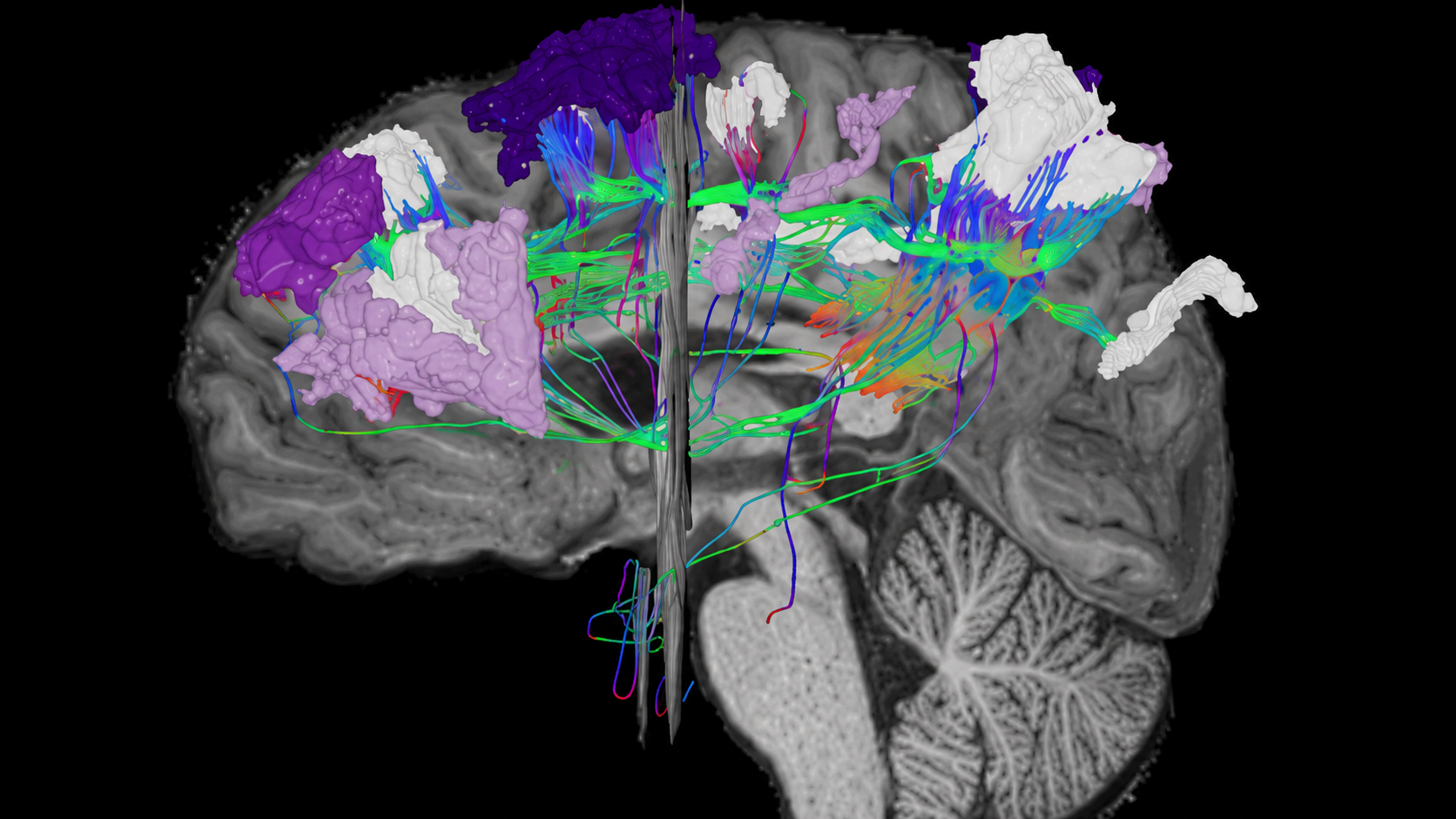
Researchers at several companies are using brain images obtained by an MRI machine to train people with chronic pain how to control their pain. These MRI images are not of the type that are routinely taken to look at the brain structure. Instead, these are images obtained by “functional MRI” which show how different parts of the brain react to pain. By seeing these images of pain displayed as a flame patients are able to reduce the size of the flame and also reduce their pain. It is similar to what is done during old-fashioned biofeedback sessions where patients monitor their temperature or muscle tension and by learning to control these functions of the body are also able to reduce their pain and prevent migraine headaches. It is possible that functional MRI feedback training will prove to be more effective, but it is also likely to be much more expensive.

Noise and Migraines

Friday, August 31st, 2007

Noise is a well-known trigger of migraines. Recent findings by WHO researchers indicate that excessive exposure to noise causes other health hazards as well. Noise from daytime traffic can result in chronic stress with an increase in the risk of heart attacks and strokes. Installing noise-insulating windows and using noise-cancelling ear phones can be helpful, albeit expensive. Listening to music to drown out the noise is another option, but can be hazardous when walking in the streets of a big city. Mayor Bloomberg’s recent focus on reducing noise pollution in New York City is a step in the right direction.

Drug side effects

Tuesday, August 28th, 2007

A recent survey by Beatrice Golomb and her colleagues which was reported by Reuters Health discovered that when patients reported adverse reactions to drugs their doctors routinely denied that the drug was responsible for these side effects. To a great extent this is due to doctors’ lack of knowledge about potential side effects, but I suspect it is also because doctors have an unreasonable degree of reliance and faith in drugs. Pharmaceutical companies are doing a great job selling benefits of drugs to doctors, but the education about potential side effects is clearly lacking. Medical school training also makes doctors biased toward drugs and against alternative therapies. In treating migraine patients I often see people who were prescribed by their doctor 2-3 daily medications and who were never offered any alternatives. The efficacy of many of the supplements (magnesium, CoQ10, alpha-lipoic acid and others) is as good as that of many drugs doctors use for headaches. Eliminating caffeine, regular exercise, dietary changes, biofeedback and even Botox injections are some of the other excellent approaches that should be tried before drugs.

Surgery for migraines

Thursday, August 9th, 2007

I just received an announcement for the “2nd Annual Surgical Treatment of Migraine Headaches.” The event is sponsored by Case Western Reserve University and presented by its Department of Plastic Surgery. Ten of the 12 speakers on the program are plastic surgeons. Their premise is that since Botox injections relieve migraines, why not go a step further and cut those muscles in the forehead for permanent relief.

When I asked my friend Ken Rothaus, a plastic surgeon at the New York Hospital, about this approach, he was not excited—despite the potential new pool of patients. Here is what he said: “I think that when there exists a relatively non-invasive procedure such as Botox that works so well and costs less than the corresponding surgical procedure, it represents the better first line choice for the patient. All surgery has risks and complications, Botox can be injected in all the involved areas not just the glabellar, and the cumulative cost of 3-5 years of Botox may be less than that one surgical procedure.”

Another strong argument against surgery is the very nature of migraines. They come and go for long periods of time, and on their own improve with age in most patients.

An additional reason, and perhaps the most compelling: Plastic surgeons lack training in diagnosing and treating headaches. They do not know how to properly diagnose different types of headaches, how to detect potential triggers, and how to combine different treatments into a comprehensive plan.

A case can be made that if a neurologist is also involved in the care of a patient receiving surgical migraine relief, it may be a reasonable approach. However, injecting Botox only into the forehead is ineffective for most patients. We usually also inject the temples, the back of the head and, at times, the jaw and neck muscles. Surgery cannot be done in these areas, and cutting only forehead muscles is not likely to have a significant effect.

Finally, while we have about 100 scientific articles published on the use of Botox for headaches, there has been only one small, uncontrolled study published on the use of plastic surgery for migraines.

So, surgery for migraines? In my opinion, this is a treatment that’s not quite ready for prime time.

Headaches and suicide

Monday, August 6th, 2007

In a study presented at the recent meeting of the American Psychiatric Association Dr. Stephen Woolley found that adults suffering from severe headaches have a 30% to 50% increased chance of having suicidal thoughts or behaviors, independent of the presence of anxiety or depression. The recommendation for the doctors is to routinely screen patients suffering from severe headaches for suicidality even if they do not suffer from anxiety or depression. Family members and friends should also be aware of this fact and discuss it openly with headache sufferers.

A study published in a recent issue of journal Neurology found that adolescents who suffer from chronic daily headache, particularly if they also had migraine with aura had a six times higher risk of suicide than their headache-free peers. This was a community-based study conducted by Dr. Shuu-Jiun Wang in Taiwan. Almost half of adolescents with headaches had at least one psychiatric disorder. The most common disorders were major depression which was found in 21% and panic disorder in 19%.