Archive for July, 2007

Brain damage

Thursday, July 26th, 2007

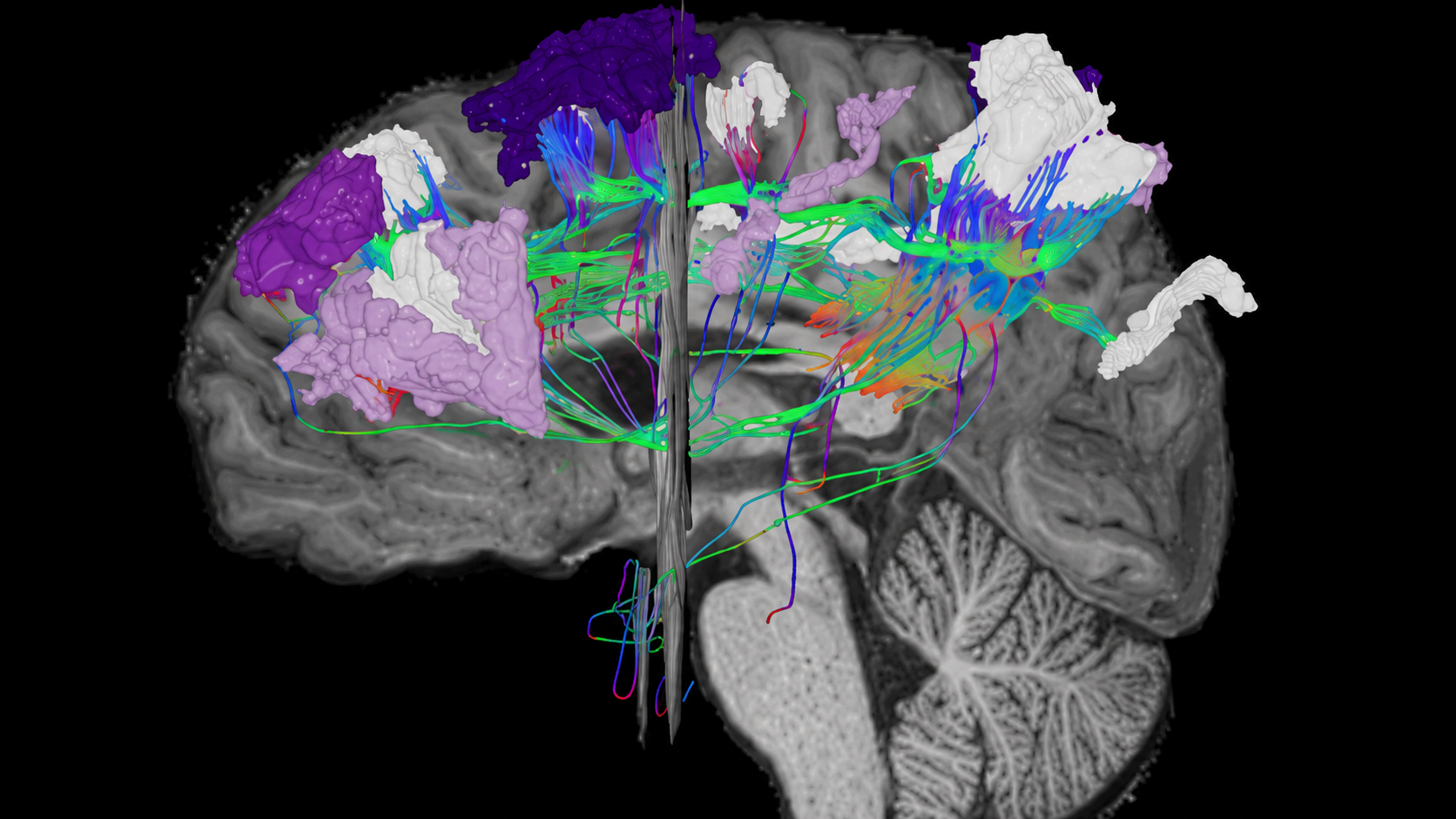
Brain damage from migraines? Maybe, if you are a mouse. A recent study published in the journal Nature Neuroscience discovered that a process that simulates migraine in mice leads to brain damage similar to that seen with repeated ministrokes. It is true that patients with migraines with aura (visual disturbance that precedes headaches, which occurs in about 15% of migraine sufferers) have an increased risk of strokes, but this risk is still very low. The vast majority of migraine sufferers stop having migraines in their 40s and 50s and we have no evidence that having migraines for many years causes any permanent brain damage. What happens to mice can never be directly extrapolated to humans. (See my comments on Fox News under NYHC in the News)

Menstrual cluster

Thursday, July 19th, 2007

Cluster headaches are much more common in men. Cluster headaches are much more common in men. However, they do occur in women and in the latest issue of journal Headache Dr. T. Rozen presents the first report of a woman who was having cluster attacks only with her menstrual cycle.

RLS

Wednesday, July 18th, 2007

Restless leg syndrome (RLS) affects 10% of the population with 3% suffering from severe symptoms. Patients suffering from RLS complain of difficulty falling asleep because of uncomfortable sensation in their legs which is temporarily improved by moving their legs or getting up and walking around. The movement of the legs persists in sleep and interferes with the deep restful stages of sleep leading to tiredness during the day. Many patient do not realize they have a problem because they’ve had it all their lives and because one of their parents also had it.Researchers reporting in the recent issue of journal Nature Genetics say they have found proof of the genetic nature of RLS. However, not all patients with these symptoms have RLS. Iron deficiency, peripheral nerve damage and antidepressant medications can cause symptoms of RLS. Another sleep disorder, such as sleep apnea can at times mimic RILS and a sleep study may be needed to establish the diagnosis.Treatment of RLS involves the use of medications such as Requip, Mirapex, which belong to a category of drugs called dopamine agonists (they are also used to treat Parkinson’s disease, but these two conditions are not related). Some epilepsy drugs, including Neurontin and Topamax and particularly opioid analgesics, such as hydrocodone and oxycodone can be effective.Sleep deprivation or poor quality of sleep can be a major trigger for migraine headaches. We see many patients with RLS at the NYHC and treating their RLS will often improve their headaches.

Amber contact lenses

Wednesday, July 18th, 2007

A recent small study suggests that wearing red colored contact lenses can relieve pain of a migraine attack. A recent small study suggests that wearing red colored contact lenses can relieve pain of a migraine attack. At the NYHC we have tried this approach and in a several patients it made a dramatic difference. One woman has found that she no longer has to be confined to a dark room and is able to go outside wearing these lenses without developing a migraine from bright daylight. Some patients wear these lenses all the time, while others only when they have a headache. Sunglasses do not offer the same level of light filtering,uinless they are of wraparound type and fit tightly around the eyes.

Endometriosis

Tuesday, July 17th, 2007

Women with migraine have a higher chance of also having endometriosis. A study by Dr. Gretchen Tietjen and her colleagues published in the latest issue of journal Headache looked at 171 women with migraine and 104 controls. Endometriosis was reported more commonly in migraineurs than in controls (22% vs 9.6%). Frequency of chronic headache was higher in migraineurs with endometriosis ompared to without it and headache-related disability scores were also higher in the endometriosis group. Depression, anxiety, irritable bowel syndrome, fibromyalgia, chronic fatigue syndrome, and interstitial cystitis were more common in migraine with endometriosis group than in controls. Anxiety, interstitial cystitis and chronic fatigue syndrome were more common in migraine with endometriosis group, than in the patients with migraine without endometriosis.

Brain lesions in migraine

Friday, July 13th, 2007

However, presence of any brain lesion is worrisome to most patients and according to some researchers may be indicative of small strokes or another type of brain damage. Some researchers have been concerned, although without any evidence, about possible accumulation of these lesions with progressive brain damage. A report in the June issue of Cephalalgia by Dr. Todd Rozen presents a case where a brain lesion seen on the first MRI scan was no longer seen on the second one 16 days later. We have always reassured our patients about the benign nature of these lesions, but it is good to have this additional evidence.

Migraine in pregnancy and CVD

Friday, July 13th, 2007

Migraines at the end of pregnancy and soon after the delivery increase the risk of strokes and other vascular complications (cerebro-vascular disease, or CVD). Dr. Bushnell and her colleagues presented these findings at the last annual meeting of the American Academy of Neurology. They looked at almost 17 million pregnancies and identified almost 34,000 women who had migraines. There was an increase in migraines with increased maternal age. Women who had migraines around the time of delivery were 19 times more likely to have a stroke, five times more likely to have a heart attack, three times more likely to have a pulmonary embolus, more than twice the risk of deep venous thrombosis, nearly four times he risk of thrombophilia, twice the risk of heart disease and more than twice the risk of preeclampsia/gestational hypertension.

About two thirds of women stop having migraines during their pregnancies, but if headaches are present at the end of pregnancy close observation is warranted. It is possible that magnesium supplementation as well as regular exercise, proper diet and other life style changes may help prevent these serious complications. Long-term risk for strokes and heart attacks is higher in women who keep additional weight gains after pregnancy.

Migralex

Wednesday, July 11th, 2007

Migralex - A Breakthrough in the Treatment of Headaches.

Migralex is a headache medication developed and patented by Dr. Alexander Mauskop, Director and Founder of the New York Headache Center. Migralex is a product of 15 years of research and development. It will become available for purchase at the end of 2009 at www.Migralex.com and www.Amazon.com.

Alpha lipoic acid relieves migraine headaches

Wednesday, July 11th, 2007

According to a recent study by Magis and colleagues (Headache 2007;47:52-57) daily dose of 600 mg of alpha lipoic acid (also known as thioctic acid) was significantly better than placebo in reducing the frequency of migraine attacks, headache days and pain severity. This natural supplement is being investigated as a treatment for multiple sclerosis and HIV disease and it may be helpful for patients with Alzheimer’s and Parkinson’s as well as diabetes, strokes and heart attacks. Since the publication of this study we have been recommending alpha lipoic acid to many of our migraine patients.

Medication overuse

Tuesday, July 10th, 2007

Medication overuse headache (MOH) does not respond to steroids according to a new study published in the July 3 issue of journal Neurology. Patients who take Fioricet, Fiorinal, Esgic, Excedrin and other, mostly caffeine-containing drugs often have a headache that is perpetuated by the constant intake of these drugs. This is less likely to happen from triptans, such as Imitrex, Maxalt and Relpax or ibuprofen and acetaminophen. When we try to stop these medications headache usually worsens for several days or weeks before it gets better. We do use corticosteroids (prednisone, dexamethasone, methylprednisolone) to treat not only headaches that result from medication withdrawal but also severe migraines that do not respond to the usual migraine drugs. Corticosteroids are safe when taken occasionally, but can cause many different and often dangerous side effects if taken for long periods of time (weeks and months). We limit the use of corticosteroids to a few days a month.
The editorial which accompanies this report comments on the fact that a previous, larger but less rigorous study found that steroids are beneficial for MOH. The possible reasons for this discrepancy are: 1. the dose of prednsione used in the study was not high enough; 2. corticosteroids are only effective for MOH in patients who suffer from migraines and not tension-type headaches (both were included in this study); and 3. the older and larger study was not blinded and placebo might have played a bigger role.
The bottom line is that because of our positive experience and in the absence of a definitive negative study, we at the NYHC will continue using corticosteroids both for MOH and for other refractory migraine attacks when other treatments (triptans, intravenous magnesium, Botox, etc) fail.