Archive for the ‘Pain Research’ Category

Science of acupuncture - 2

Sunday, January 3rd, 2010

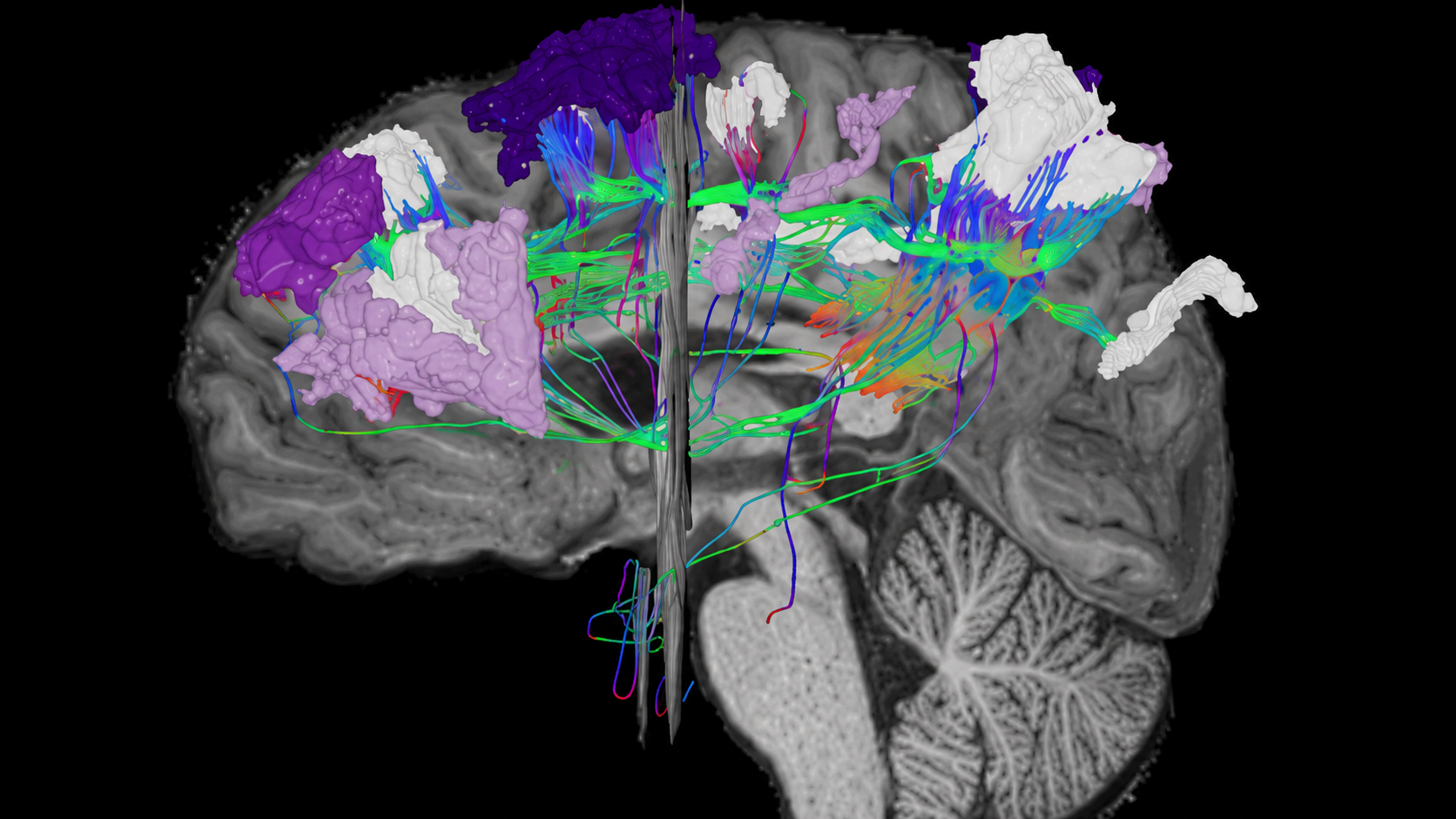
Acupuncture increases connections between different areas of the brain, according to Dhond and other Korean researchers who published their findings in the journal Pain.  They compared the effect of true and sham acupuncture in healthy volunteers using functional MRI of the brain.  They discovered that true acupuncture (insertion of one needle into the forearm) enhanced the “spacial extent of resting brain networks to include anti-nociceptive (pain-relieving), memory, and affective (responsible for emotions) brain regions”.   The researchers felt that this enhancement of connections between various parts of the brain is probably responsible for the pain relief induced by acupuncture.   After the recent German study of acupuncture for headaches which involved over 15,000 patients there is little doubt that acupuncture works for headaches (and many other pain conditions), but this study helps provide stronger scientific evidence that the relief is not due to placebo.

New forms of botulinum toxin

Sunday, April 19th, 2009

Botulinum toxin, which most people know as Botox is produced by a bacteria - Clostridium botulinum.  This bacteria actually produces 7 different type of this toxin: A, B, C, D, E, F, and G.  Botox is botulinum toxin, type A, while another commercial product, Myobloc is botulinum toxin, type B.  Researchers, Drs. Dolly, Aoki and their colleagues managed to combine type A and E, according to a report in The Journal of Neuroscience.  Test tube experiments suggest that this combination could prove to be more effective for the treatment of pain than type A alone.  This is a very promising discovery, since Botox is effective for only about two thirds of chronic migraine sufferers.  The combined toxin could be also effective for other types of pain.

Muscle relaxation for pain relief

Sunday, October 19th, 2008

Progressive muscle relaxation is an integral part of biofeedback training, but can be used by itself for the treatment of migraine and tension-type headaches.   A group of researchers at the Ohio State University published an article in the journal Pain which reports the effect of progressive muscle relaxation on experimental pain in healthy volunteers.   A single 25-minute tape-recorded session of progressive muscle relaxation resulted in a higher pain tolerance and reduced stress from pain.  It can be safely assumed that regular practice sessions will result in even better results and all pain patients, including those with headaches should be encouraged to learn this simple technique.

Empathy hurts!

Saturday, June 7th, 2008

A person  empathizing with someone in pain perceives his or her own pain as more severe and unpleasant.  Researchers at McGill University published these findings in the current issue of journal Pain.  This observation could explain, at least in part, high frequency of pain symptoms observed in spouses of chronic pain patients.   Even laboratory mice have heightened pain behavior when exposed to cagemates, but not to strangers, in pain.  Clearly, the thing to do is not to ignore your spouse’s or friend’s pain, but rather try to get the pain relieved.  If that is not possible, hopefully, a cognitive-behavioral psychologist may be able to devise a way to be very supportive and helpful without constantly feeling badly for the person in pain.

Delaying treatment of pain has proven negative effects

Friday, June 6th, 2008

Patients who faced delays in the treatment of their chronic pain were found to have worsening of their condition, according to a recent review published in the journal Pain.  The review of 24 trials showed that patients had a significant deterioration of their health-related quality of life and psychological well being.  This was true for patients who waited for six or more months to receive treatment.  Studies looking at shorter wait times were less conclusive.  The authors conclude that waiting for treatment of chronic pain for six months or longer is medically unacceptable.  While our medical system is often to blame for such delays, many patients delay their treatment for a variety of other reasons as well.  It is important for friends and relatives to urge someone who suffers from chronic pain (including headaches) to seek medical attention from a qualified specialist.

Facial expression of pain

Friday, June 6th, 2008

Facial expression of pain seems to make you feel worse, according to a study published in the May issue of The Journal of Pain.  Healthy volunteers were asked to make a painful expression before the pain started and without anyone appearing to be watching (to avoid “social feedback”).  The pain was perceived more unpleasant when the volunteers made a painful facial expression compared to when a neutral facial expression was made.  Practical application of this study is in that people in pain should try to avoid grimacing from pain and keep their faces relaxed.  The authors discuss recent brain imaging studies which seem to confirm an old observation that facial expression can cause one to experience emotion that is being expressed.  In other words, forcing yourself to smile may improve your mood, while making an angry  face can make you feel angry.

Vitamin D and exercise

Friday, November 9th, 2007

We always recommend exercise as one of the most effective preventive treatments for migraines and tension-type headaches.  However, it appears that some patients may have difficult time exercising because of low vitamin D levels.  Vitamin D receptors are located within muscle and are important for normal muscle activity.  Michael Hooten and colleagues discovered that pain clinic patients who had low vitamin D levels had lower exercise tolerance as well as lower general health perception than patients with normal levels.  Most people are familiar with the role of vitamin D in bone health.  However, it has many other functions in the body.  In addition to exercise tolerance, another unexpected effect of vitamin D deficiency is to worsen symptoms of gastro-esophageal reflux, which causes heartburn and other symptoms.  Taking vitamin D supplements relieves reflux symptoms in some patients.  Many people are not taking sufficient amounts of vitamin D.  If deficiency is documented by a blood test, patients usually need to take 1000-2000 units a day.

Sex differences in response to opioid drugs

Friday, November 9th, 2007

It appears that women respond better to morphine than men and men respond better to a different opioid (narcotic) drug, butorphanol.  This was the conculsion of a study presented at the American Pain Society.  The next step that the researchers plan is to look at possible genetic factors which may explain this difference.  Although the study was small and needs to be confirmed, such knowledge could have an important practical impact.  Opioid drugs are rarely used for the treatment of headaches, but when necessary it would be useful to know which one has a better chance of success.

MSG and headaches

Friday, November 9th, 2007

Many patients tell me that monosodium glutamate (MSG) gives them headaches, but we never had a scientific study to explain or support this observation.  A study by Brian Cairns and his colleagues in the November issue of journal Pain reveals possible mechanism by which this happens.  The researchers found that rats given MSG had an elevated level of glutamate in their muscles and that MSG made the muscles more sensitive to pressure.  Glutamate is a neurotransmitter that promotes pain transmission in the nerveous system and therefore the authors concluded that MSG could increase pain sensitivity in humans as well.  The bottom line, if you are prone to headaches or have chronic pain, stay away from MSG.

Distress and sciatica

Tuesday, July 3rd, 2007

Presence of anxiety and depression (“distress”) at the time of initial diagnosis of sciatica predict worse outcome of both surgical and non-surgical treatment three years after the onset of pain according to a report in the July issue of journal Pain. Presence of anxiety and depression (“distress”) at the time of initial diagnosis of sciatica predict worse outcome of both surgical and non-surgical treatment three years after the onset of pain according to a report in the July issue of journal Pain. The authors speculate that the reason could be lower self-management efforts and maladaptive coping strategies. In fact previous studies have shown that adaptive coping skills training produces improvement in pain that lasts for months and years beyond the actual training. This training is usually performed by cognitive psychologists.